
Fermentation is part of everyday Indian cooking. Dahi, idli, dosa, dhokla and kanji all involve microbes. But does every fermented food count as a probiotic? No. Fermented foods for gut health can add variety to your diet, but the science is more nuanced than social-media claims.
A 2026 review describes the microbial diversity of Indian fermented foods, from cereal-and-pulse batters to dairy, vegetables and soybean preparations. It also highlights the need for stronger human studies before making broad health claims. Read the review.
What does fermentation do?
During fermentation, bacteria or yeasts use components of food and produce acids, gases and flavour compounds. This changes taste and texture and may affect shelf life, nutrient availability or digestibility.
The gut microbiome is the community of microorganisms in your digestive tract. Some fermented foods contain live microbes when eaten; others are cooked or processed after fermentation. The NIH explains that a probiotic is a live microorganism that provides a health benefit when consumed in an adequate amount. Fermentation alone does not make a food a proven probiotic. NIH: Probiotics fact sheet.
That distinction matters: fermented foods may contribute to food variety, but no single food can cure bloating, “reset” your microbiome or replace medical treatment.
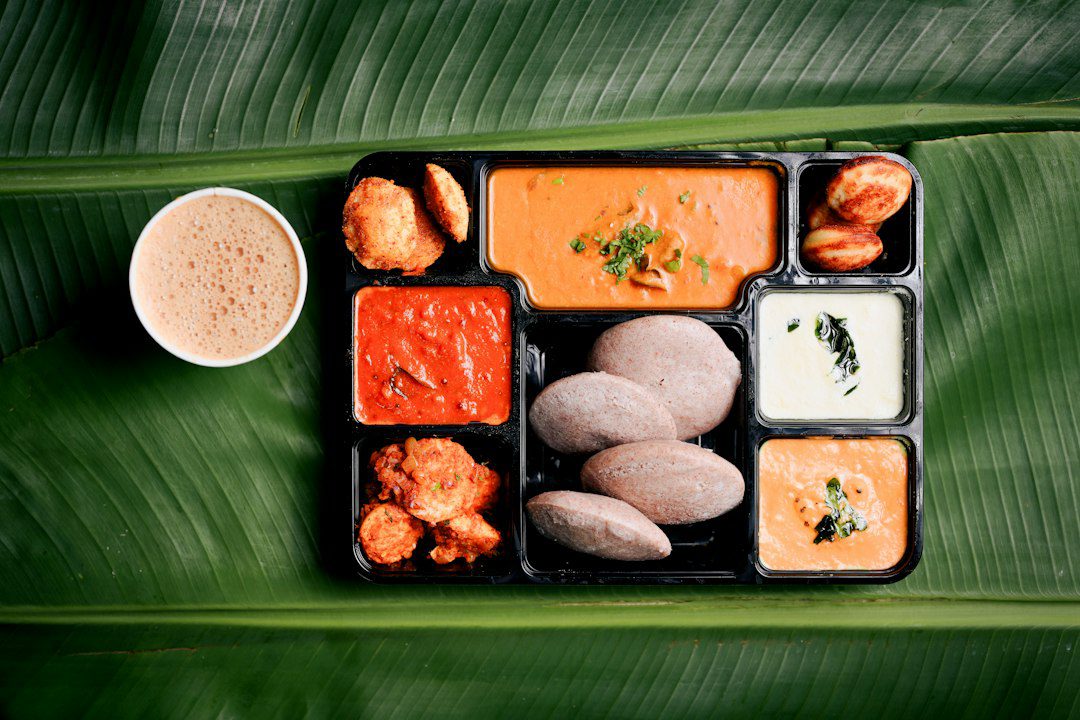
7 fermented foods for gut health in Indian diets
1. Plain dahi (curd)
Fresh dahi made with a live starter is an easy fermented food to include in an Indian meal. Bacteria ferment some milk sugar (lactose), creating its tangy taste and thick texture. Live cultures may remain, but the microbes and amounts vary with preparation and storage.
Choose plain, unsweetened dahi and refrigerate it. Have it with a meal or as raita. If lactose causes symptoms, use only what you tolerate; people with a milk allergy should avoid dairy. Dahi is not a treatment for diarrhoea, acidity or IBS.
2. Idli and dosa batter
Idli and dosa batter is usually made from soaked, ground rice and urad dal. Fermentation creates mild sourness, helps the batter rise and changes some components of the grain-and-pulse mixture.
The final cooking step matters. Steaming idlis or cooking dosas reduces or destroys many live microbes, so these dishes are not guaranteed probiotic sources. They remain practical meals; pair them with sambar and vegetables for pulses and fibre.
3. Dhokla and handvo
Many dhokla and handvo recipes use fermented gram-flour, rice or lentil batters. Recipes vary, and fermentation contributes to flavour and texture before the final dish is steamed or baked. Enjoy them as foods, not supplements. Check salt, sugar and oil in packaged mixes or restaurant portions.
4. Kanji
Kanji is a tangy fermented drink often made with black carrots or other vegetables, water, mustard and salt. Recipes vary, so its microbes depend on ingredients, time, temperature and hygiene. Choose a reliably prepared batch made with clean utensils and safe water. Salt can be high, so keep portions modest if you need to limit sodium.
5. Fermented millet porridge (ambali)
Ambali is a traditional fermented millet preparation in parts of India. It is made from cooked or soaked millet flour and fermented according to local practice. Millet contributes fibre and minerals, while fermentation changes acidity and flavour. Microbes depend on the recipe and whether the porridge is reheated. Use a trusted method and do not leave cooked grain mixtures at unsafe temperatures.
6. Fermented soybean foods from Northeast India
Hawaijar, kinema and akhuni (axone) are fermented soybean foods from different Northeast Indian traditions. Methods, aromas and salt levels vary. They add flavour and plant protein, but are not interchangeable or standardised like tested probiotic products. Buy from a trusted source, follow local food-safety practices and cook as the customary recipe requires.
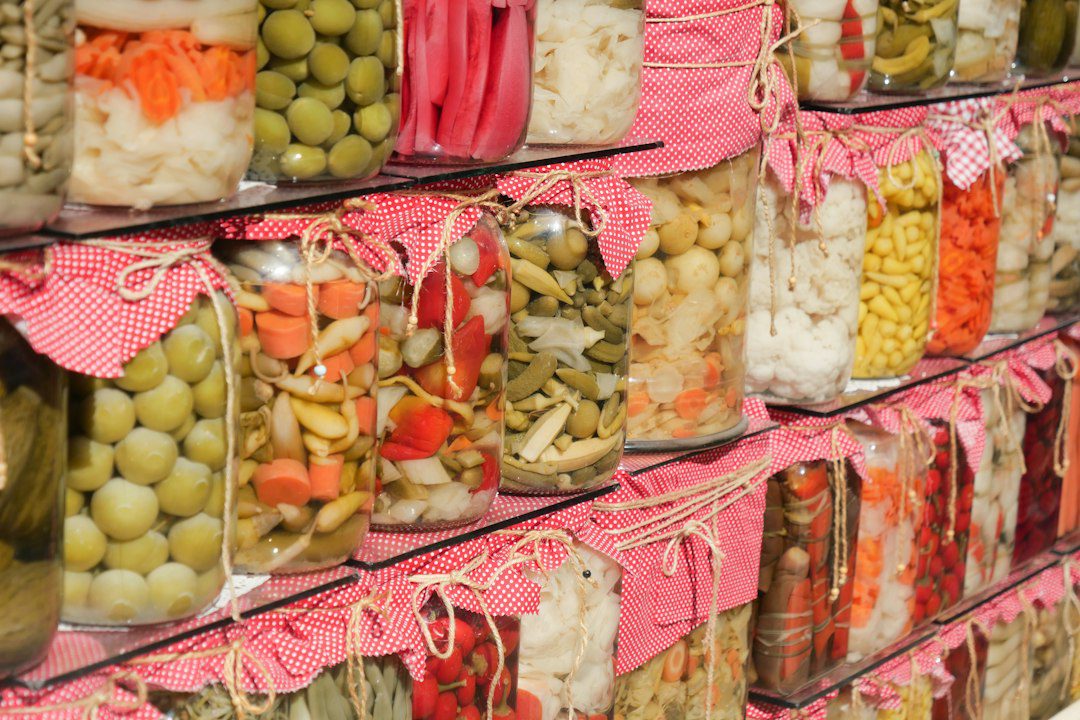
7. Naturally fermented vegetable pickles
Some vegetables ferment in a salt-water brine, where lactic-acid bacteria create a sour flavour. This differs from vinegar pickles or products heat-treated after fermentation, which may not contain live cultures when eaten. Choose a reputable product or tested recipe, clean equipment and proper refrigeration. Pickles can be salty, so use them as a small accompaniment.
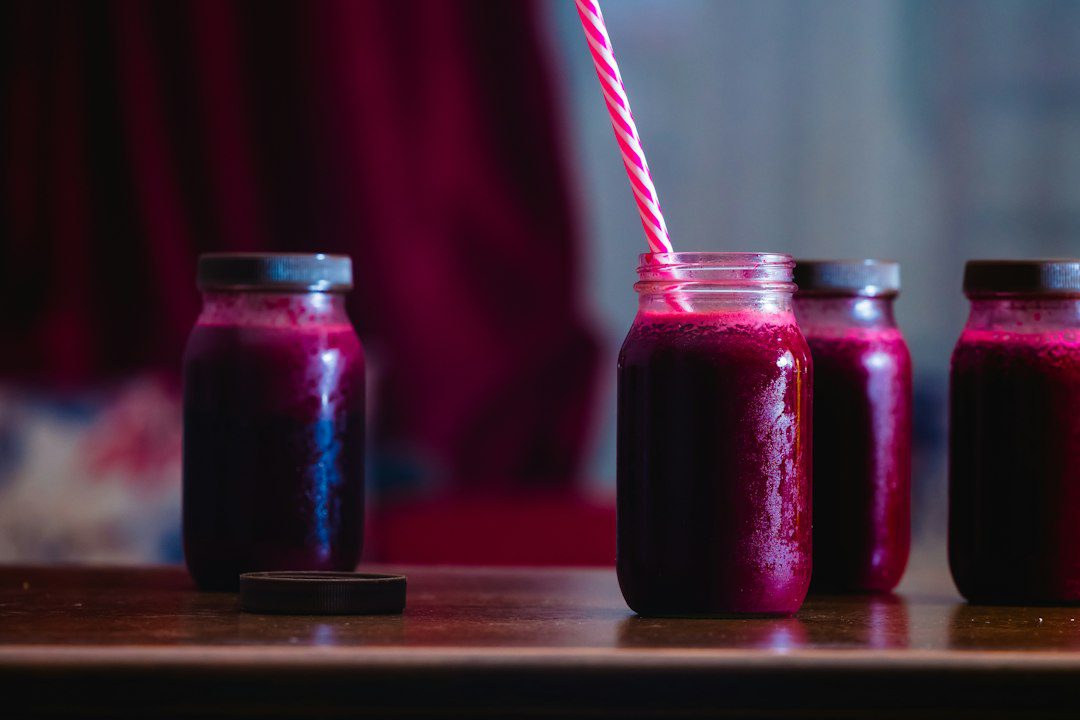
How to include fermented foods in a balanced diet
You do not need all seven foods or expensive probiotic drinks. Choose familiar foods, prepare them safely and eat them alongside vegetables, fruit, pulses, nuts, seeds and whole grains.
- Add plain dahi to lunch if you tolerate dairy.
- Serve idli or dosa with sambar and a vegetable side.
- Choose a small portion of kanji or a traditional fermented food occasionally, if it is safely prepared and suits your dietary needs.
- Rotate different plant foods through the week rather than depending on one “superfood”.
- Increase fibre-rich foods gradually and drink enough fluids. A sudden jump in beans, whole grains or vegetables may cause gas in some people.
The overall eating pattern matters more than one ingredient. Fermented foods are one part of a varied diet, not a shortcut to a perfect microbiome.
For more practical reading, see Why Are So Many People Talking About Gut Health?, our guide to natural remedies for constipation, and home remedies for acidity and bloating.
A note on Ayurveda
In Ayurveda, takra (buttermilk) and certain fermented preparations appear in traditional dietary contexts. This tradition is not proof that a preparation changes the microbiome or treats disease. Choose according to tolerance and seek advice for persistent symptoms.
What does the evidence actually say?
Research is promising, but studies differ in foods, fermentation methods, strains, serving sizes and participants. Results from one yoghurt or probiotic strain cannot be applied to every bowl of curd, pickle or fermented batter.
The 2026 review highlights regional microbial diversity but also points to gaps in controlled human research. Enjoy traditional ferments as part of a balanced diet, but do not claim they detox the body, permanently restore gut bacteria, prevent diabetes or cure digestive disorders.
Safety tips: when to be careful
- Use safe water, clean utensils and fresh ingredients when preparing fermented foods.
- Follow a tested recipe and its time, temperature and storage instructions. Do not improvise with long room-temperature storage of cooked rice or other moist foods.
- Avoid food with unexpected visible mould, damaged packaging or clear signs of spoilage. Smell alone is not a reliable safety test.
- Refrigerate foods that require chilling and follow the use-by date on packaged products.
- Be mindful of salt in kanji, pickles and some soybean preparations.
- If you have a milk allergy, avoid dairy-based fermented foods. If lactose causes symptoms, choose alternatives that suit your tolerance.
- If you are severely ill or have a weakened immune system, speak with your healthcare professional before using probiotic supplements.
Seek medical advice for persistent diarrhoea, blood in the stool, fever, severe or worsening abdominal pain, unexplained weight loss, dehydration or symptoms that repeatedly disturb sleep. Food changes should not delay an assessment.
The bottom line
India’s food traditions include dahi, idli batter, kanji, millet and Northeast Indian soybean foods. Some contain live microbes; others are cooked after fermentation. Their value depends on ingredients, preparation and the rest of the meal.
Choose safe, familiar foods you enjoy and keep your diet varied. Fermented foods can add flavour and diversity, but they are not medicines.
Frequently asked questions
1. Which Indian fermented food is best for gut health?
There is no single best choice for everyone. Choose foods you tolerate and can obtain safely. Plain dahi with live cultures may provide live microorganisms, while idli, dosa and dhokla are fermented before cooking.
2. Are idli and dosa probiotic foods?
Their batters are fermented, but the final dishes are steamed or cooked. Heat reduces or destroys many live microbes, so they are better described as fermented foods rather than guaranteed probiotic sources.
3. Is homemade curd a probiotic?
It may contain live starter bacteria if made and stored correctly, but the strains and amounts are not usually measured. Fermentation alone does not prove a specific clinical benefit.
4. Can fermented foods cause gas or bloating?
They can. Individual tolerance varies, and acidity, lactose, fibre, portion size or particular ingredients may trigger symptoms. Start with a small amount and stop a food that repeatedly causes discomfort.
5. Should I take probiotic supplements for better gut health?
Not everyone needs a supplement. Evidence depends on the strain and the health condition. Ask a healthcare professional before using supplements if you have a medical condition, are severely ill or have a weakened immune system.
6. Can fermented foods cure constipation or acidity?
No. They may be part of a varied diet, but they are not a proven cure. Persistent symptoms need assessment, and treatment depends on the cause.
References
- Samantaray P, Saha S. Decoding the Microbial Diversity of Indian Fermented Foods: Integrating Ethnobiology, Multi-Omics and Functional Insights. Foods. 2026;15(4):687. Read the review.
- U.S. National Institutes of Health, Office of Dietary Supplements. Probiotics: Health Professional Fact Sheet. Read the fact sheet.