
Your body needs protein every day to build and repair muscles, make enzymes and hormones, support the immune system, and maintain healthy tissues. Yet meals built mostly around tea, toast, rice or plain roti can sometimes leave little room for protein-rich foods. If you have been noticing changes in your strength, weight or recovery, you may be wondering about the signs of protein deficiency.
The important point is that no single symptom can confirm a protein shortage. Many possible signs of protein deficiency can also happen because of low calorie intake, iron or vitamin deficiencies, thyroid problems, infections, stress or other medical conditions. This guide explains eight warning signs, practical Indian food choices and when to seek medical advice.
Table of contents
- Why protein matters
- 8 signs to notice
- How much protein do adults need?
- Protein-rich foods to add to Indian meals
- When to seek medical advice
- Frequently asked questions
Why protein matters for everyday health
Protein is made of amino acids. Your body uses these building blocks to maintain muscles, skin, hair and other tissues, and to produce enzymes, antibodies and hormones. Eating enough protein as part of a balanced diet supports normal growth, tissue repair and the maintenance of muscle.
When food intake is too low for a long time, or when illness affects digestion and absorption, the body may not get enough energy and protein. Severe protein-energy malnutrition can cause visible changes, but mild or moderate low intake may be difficult to recognise from symptoms alone. The Cleveland Clinic guide to protein deficiency symptoms explains why these clues need to be interpreted carefully. That is why the signs of protein deficiency should be treated as clues—not a diagnosis.
8 signs you may not be getting enough protein
1. Loss of muscle or reduced strength
Your muscles need protein for maintenance and repair. Muscle loss can be one of the signs of protein deficiency when undernutrition is prolonged. If your overall food intake is inadequate for weeks or months, you may notice shrinking muscles, weaker grip, difficulty climbing stairs or reduced strength during everyday activities. Ageing, inactivity, nerve problems and several illnesses can also cause muscle loss, so this is one of the possible signs of protein deficiency, not proof on its own.
2. Unintentional weight loss
A sustained shortage of calories and protein can lead to weight loss because the body uses stored fat and muscle for energy. Clothes may become looser, or you may notice a falling number on the weighing scale without trying to lose weight. Unplanned weight loss deserves attention even if you feel otherwise well. It can be linked to digestive disease, diabetes, thyroid conditions, infection, depression or other causes—not just low protein. When low intake is responsible, these may occur alongside other signs of protein deficiency.
3. Slow recovery from wounds or illness
Protein contributes to tissue repair and the production of immune-related proteins. Poor recovery may be among the signs of protein deficiency in someone who is severely undernourished. If your diet is inadequate, recovery from a wound, surgery or illness may be harder. However, slow healing can also be caused by diabetes, poor circulation, smoking, infection, certain medicines and other nutrient deficiencies. Do not assume protein is the only explanation.
4. Hair thinning or unusual hair changes
Hair follicles need a steady supply of nutrients to grow normally. In severe undernutrition, hair changes may be among the signs of protein deficiency. Severe undernutrition, including protein deficiency, may contribute to fragile hair, changes in hair texture or hair loss. But hair shedding is common and can follow fever, childbirth, stress, rapid weight loss, iron deficiency, thyroid disorders or scalp conditions. If hair loss is persistent or sudden, seek an assessment rather than starting supplements blindly. You can also read our guide to practical hair-care and nutrition habits for healthier hair.
5. Dry, fragile skin or changes in skin health
Skin is constantly renewing itself and depends on adequate energy, protein and other nutrients. Significant skin changes can sometimes accompany the signs of protein deficiency in severe malnutrition. In severe malnutrition, skin can become thin, dry or fragile, and wounds may heal poorly. Ordinary dry skin, however, is much more often related to weather, frequent bathing, harsh soaps, eczema or dehydration. Skin changes alone cannot identify a protein shortage.
6. Swelling in the feet, legs or face
Severe protein-energy malnutrition can sometimes cause oedema (fluid-related swelling), particularly when blood protein levels become very low. Noticeable swelling around the feet, ankles, legs or face should never be self-diagnosed as a dietary problem. Heart, kidney and liver conditions, some medicines and circulation problems can also cause oedema. Seek prompt medical assessment, especially if swelling is new, worsening or accompanied by breathlessness. Swelling is a serious possible feature of severe malnutrition, not a routine way to identify signs of protein deficiency.
7. Frequent infections or slower recovery
Protein is involved in the normal function of immune cells and antibodies. Severe undernutrition may also contribute to the signs of protein deficiency alongside other nutritional problems. Severe undernutrition can weaken immune defences, but catching colds often does not automatically mean you lack protein. Sleep, stress, exposure to infections, chronic conditions, vaccination status and several nutrients all influence immune health. A varied diet supports normal immune function; no single food prevents infections. For more context, see our article on foods that support normal immune health.
8. Poor growth in children
Children need enough energy, protein and micronutrients for healthy growth. A child who is not gaining weight or growing as expected may have an inadequate diet, a feeding difficulty, a chronic illness or an absorption problem. Growth concerns should be assessed by a paediatrician or qualified health professional using growth charts. Do not give children protein powders or adult supplements unless their clinician recommends them.
How much protein do adults need?
The ICMR–National Institute of Nutrition’s 2024 Dietary Guidelines for Indians gives a recommended dietary allowance (RDA) of about 0.83 grams of protein per kilogram of body weight per day for healthy adults. The guideline uses reference examples of approximately 54 grams a day for a 65 kg adult and 46 grams for a 55 kg adult. These are general reference values, not a personalised prescription. Understanding the signs of protein deficiency is useful, but reviewing actual food intake and health history is more informative than judging symptoms alone. Needs can change with age, pregnancy, breastfeeding, activity, recovery from illness and medical conditions. Read the ICMR–NIN Dietary Guidelines for Indians 2024 for the full guidance.
For a rough starting estimate, multiply your body weight in kilograms by 0.83. For example, 60 kg × 0.83 is about 50 grams per day. This simple calculation is not suitable for everyone; people with kidney or liver disease, children, pregnant people, older adults with frailty, and those recovering from serious illness may need individual advice from a doctor or dietitian.
Protein-rich foods to add to Indian meals
You do not need an expensive supplement to improve your diet. A mix of familiar foods can help you include protein across the day. If you recognise possible signs of protein deficiency, these everyday foods may help address a dietary gap when low intake is the cause. Vegetarian choices include dal, chana, rajma, lobia, soybeans, tofu, paneer, milk, curd, peanuts and other nuts or seeds. Eggs, fish, chicken and meat are options for people who eat them.
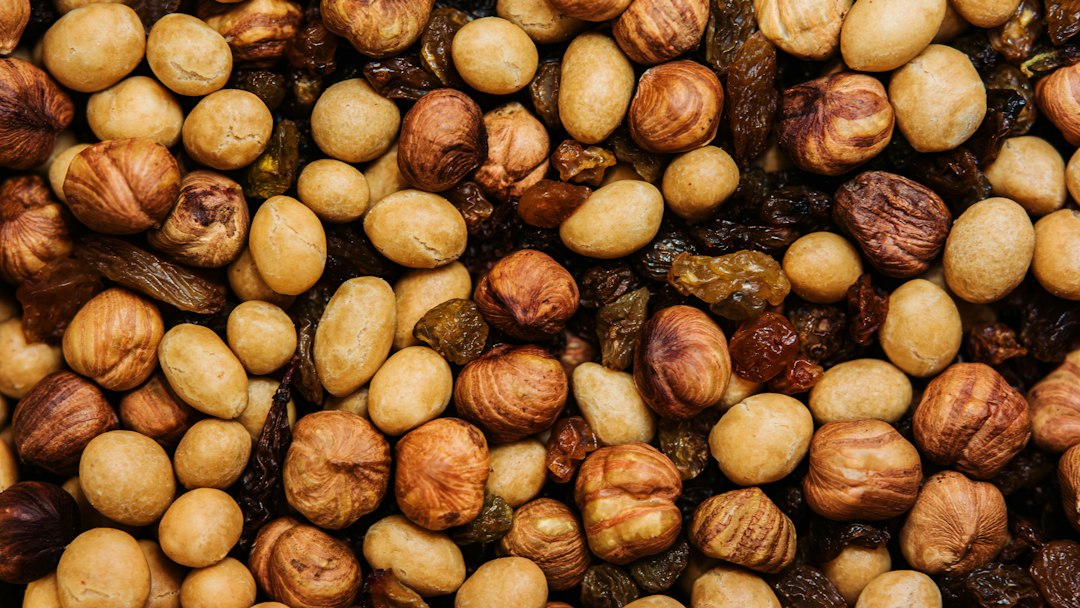
Try simple combinations: dal with rice, chana with roti, curd with a meal, paneer or tofu bhurji, sprouts added to a chaat, or eggs with whole-grain toast. Pulses and cereals complement each other in their amino-acid profiles. The ICMR–NIN guidelines recommend dietary variety and appropriate combinations rather than relying on one food alone.
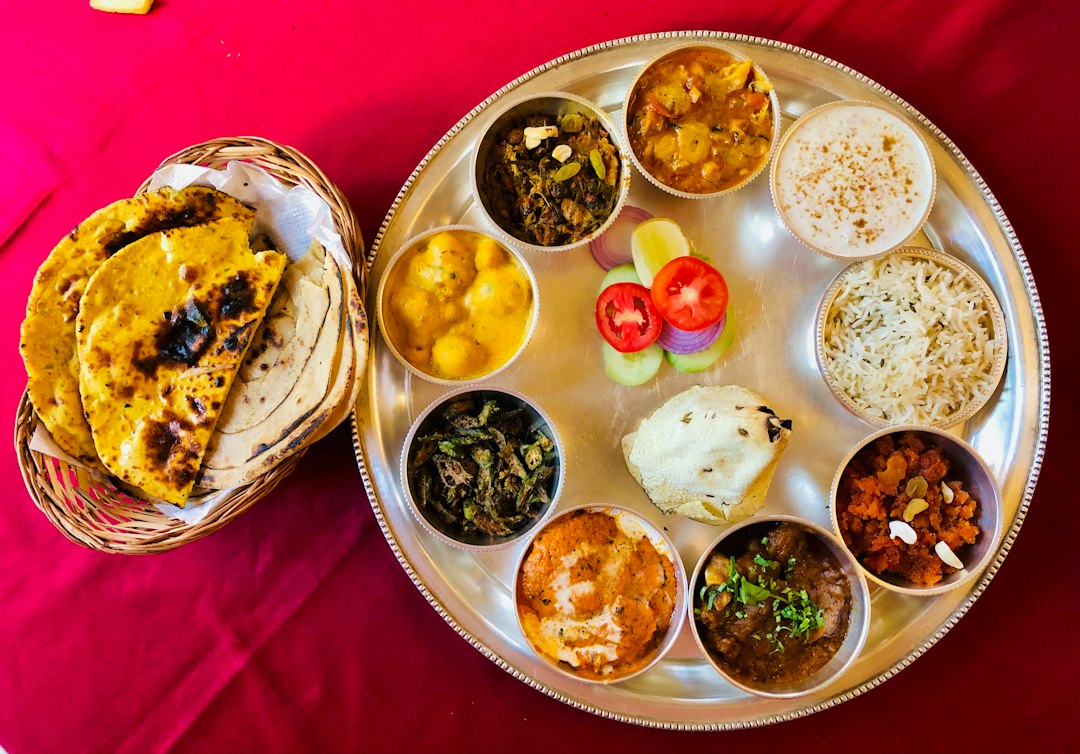
At breakfast, you might choose besan chilla with curd, milk with oats and nuts, or eggs with vegetables. At lunch, include dal, rajma, chole, fish or chicken alongside vegetables and rice or roti. At dinner, consider tofu, paneer, soybean curry or pulses. Portion sizes should suit your appetite, energy needs and health conditions.
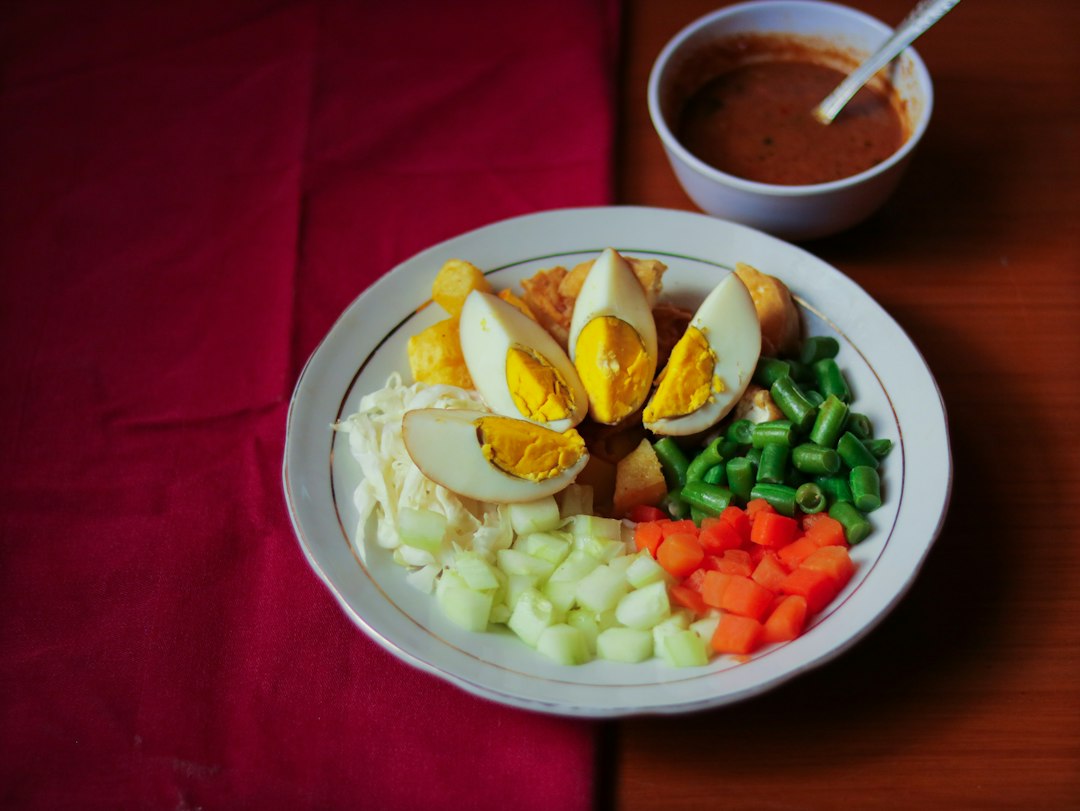
A balanced eating pattern matters more than chasing a single high-protein ingredient. Include vegetables, fruit, whole grains, pulses, dairy or suitable alternatives, nuts and seeds. Our guide to healthy daily habits for a better lifestyle offers more ideas for building a steady routine.
When should you seek medical advice?
Speak with a healthcare professional if you have ongoing weakness, unexplained weight loss, reduced appetite, difficulty eating or swallowing, persistent diarrhoea, or concerns about a child’s growth. Seek prompt care for new swelling, severe weakness, dehydration or breathlessness. A clinician may review your diet, weight history, medicines and medical conditions, examine you and decide whether tests are needed. There is no single blood test that can diagnose dietary protein intake by itself.
If your diet is the issue, a dietitian can help you increase protein using affordable foods that suit your preferences. People with kidney disease or other medical conditions should not sharply increase protein or begin supplements without personalised advice. High-protein powders are not automatically necessary or safer than ordinary foods.
Frequently asked questions
What are the common signs of protein deficiency?
Possible signs include muscle loss, weakness, unintentional weight loss, slow wound healing, hair changes and, in severe cases, swelling. These symptoms have many possible causes, so they need proper assessment.
Can you have low protein intake without losing weight?
Yes. Body weight alone cannot confirm whether you are eating enough protein. Someone may maintain their weight while eating a diet that is low in protein or limited in food variety.
Which vegetarian foods provide protein?
Dal, chickpeas, kidney beans, soybeans, tofu, paneer, milk, curd, peanuts, nuts and seeds all contribute protein. Eating a variety of pulses, grains and other foods helps provide essential amino acids.
Do I need protein powder?
Most people can meet their needs through a varied diet. Protein supplements may be useful in selected situations, but they are not essential for everyone. Ask a doctor or dietitian before using them if you have a medical condition.
Can hair loss mean I have a protein deficiency?
It can occur with severe undernutrition, but hair loss has many other causes, including iron deficiency, thyroid problems, stress and recent illness. A clinician can help identify the cause.
The takeaway
The signs of protein deficiency can include muscle loss, weakness, unintended weight loss, slow healing and changes in hair or skin. Swelling and poor growth in children can occur in more serious forms of malnutrition. None of these signs is specific enough to diagnose a protein shortage by itself.
Build meals around a variety of protein-containing foods—such as dal, beans, soy, dairy, eggs, fish or lean meat—along with vegetables, fruit and whole grains. If you notice persistent symptoms or unexplained weight changes, seek medical advice rather than self-diagnosing or starting high-dose supplements.
Medical disclaimer: This article is for general education and is not a substitute for individual medical advice, diagnosis or treatment.