
Why is everyone suddenly talking about gut health? From food labels and social media to conversations about mood, energy and digestion, the gut has become a major wellness topic. The interest is not just a trend: research into the gut microbiome has revealed how the digestive system interacts with many parts of the body. But some online claims go much further than the evidence.
Understanding gut health does not require expensive tests, restrictive diets or a shelf full of supplements. It starts with knowing what the gut does, how its microbes work, and which everyday habits are worth prioritising. This guide explains the science in simple language and includes practical Indian food ideas.
In this article
- What gut health means
- Why the gut microbiome gets attention
- How the gut communicates with the rest of the body
- Foods and habits that support gut health
- Popular gut-health claims to question
- Simple Indian meal ideas
- When to seek medical advice
- Frequently asked questions
What does gut health actually mean?
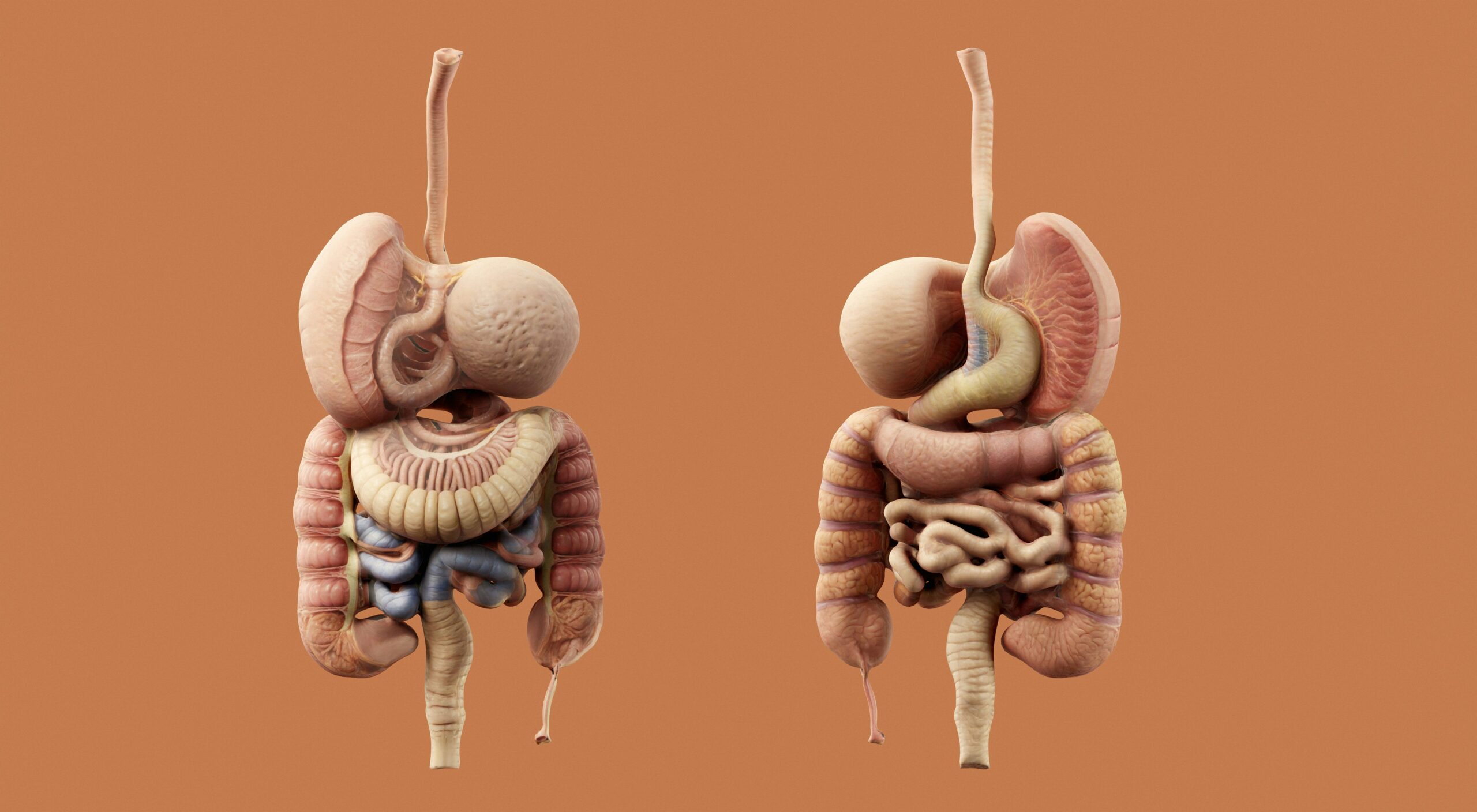
Gut health describes how well the digestive system works. This includes moving food through the stomach and intestines, breaking it down, absorbing nutrients, maintaining the intestinal lining and passing stool comfortably. It is not defined by having a perfectly flat stomach or never experiencing gas.
The digestive tract is also home to trillions of microorganisms, including bacteria, viruses and fungi. The community of these organisms and their genetic material is often called the gut microbiome. Many microbes are harmless or helpful; some can cause problems in particular circumstances. A diverse, balanced microbial community is one feature researchers study, but there is no single microbiome profile that guarantees good health for everyone.
Why is the gut microbiome getting so much attention?
One reason is that scientists now have better tools to study microbes and the substances they produce. Research suggests that gut microbes help break down parts of food that human digestive enzymes cannot fully digest. They also produce compounds, such as short-chain fatty acids, that interact with the gut lining and other biological processes.
Another reason is the growing interest in the gut-brain connection. The digestive system and brain communicate through nerves, hormones, immune signals and microbial metabolites. This two-way communication helps explain why stress can affect bowel habits and why digestive discomfort can influence mood and daily life.
Researchers are also studying links between the microbiome and immune function, metabolism and inflammatory processes. These are active research areas. An association does not automatically prove that a microbiome change causes a disease, and a commercial test cannot reliably explain every symptom.
How does the gut communicate with the rest of the body?
Digestion and nutrient absorption
The stomach and intestines digest food and absorb nutrients, water and electrolytes. Gut microbes help process some fibres and other compounds that reach the large intestine. This is one reason a varied diet matters: different plant foods provide different types of fibre for the microbes to use.
The gut-brain connection
The gut and brain influence each other. Stress, anxiety and poor sleep may change gut movement or make sensations such as bloating feel more noticeable. Digestive symptoms can also affect sleep, concentration and emotional wellbeing. This does not mean that all anxiety starts in the gut or that probiotics can treat mental-health conditions.
The intestinal barrier and immune system
The intestinal lining acts as a selective barrier. It allows nutrients and water to pass while helping keep unwanted substances and microbes from crossing into the body. Immune cells are present in and around the digestive tract. The microbiome is one part of this complex system, not a switch that can simply be turned on with one food.
What foods and habits support gut health?
There is no single best food for gut health. A consistent eating pattern with a variety of minimally processed foods is a more useful foundation than chasing a fashionable ingredient.
1. Eat a wider variety of plant foods
Vegetables, fruits, beans, lentils, peas, nuts, seeds and whole grains provide fibre and plant compounds. Different fibres are used by different gut microbes. Try rotating foods across the week rather than relying on the same vegetable every day. WHO guidance on healthy diets recommends a varied diet and, for people older than 10, at least 25 grams of naturally occurring dietary fibre daily from foods; individual needs can vary.
2. Add fibre gradually
Fibre-rich foods include oats, whole-wheat roti, millets, beans, chickpeas, vegetables, guava and pears. Increase portions gradually and drink enough fluids. A sudden jump in fibre can cause gas or bloating, especially if your usual intake is low. People with certain digestive conditions may need personalised advice about the type and amount of fibre.
3. Include fermented foods if you tolerate them
Plain curd or yoghurt containing live cultures can be a convenient fermented food. Idli and dosa batter are fermented too, although cooking changes the live microbes present in the final food. Fermented foods are not all equivalent, and not every product labelled “probiotic” has proven health benefits. If dairy causes symptoms, consider a suitable alternative rather than forcing yourself to eat curd.
4. Understand prebiotics and probiotics
Prebiotics are substances, often specific fibres, that are used by beneficial microorganisms. Foods such as onions, garlic, legumes, oats and some unripe bananas contain fermentable fibres. Probiotics are live microorganisms that may provide a health benefit when taken in adequate amounts. Their effects depend on the strain, dose and condition being studied; one product cannot be expected to help every person.
The US National Center for Complementary and Integrative Health notes that evidence for probiotics varies by condition and that strong evidence is lacking for many advertised uses. People with serious illness or weakened immunity should speak with a healthcare professional before using probiotic supplements.
5. Support digestion with everyday routines
- Drink fluids regularly, adjusting for heat, activity and medical advice.
- Move your body most days; a comfortable walk can support general health and bowel regularity.
- Eat at a pace that suits you and notice foods that repeatedly trigger symptoms.
- Prioritise a regular sleep routine and use practical stress-management habits.
- Use antibiotics only when prescribed; never stop or change a prescribed medicine without medical advice.

Popular gut-health claims to question
Social media can make gut health sound like a problem that needs a quick reset. Be cautious about claims that a juice cleanse, detox tea, expensive stool test or one “superfood” can remove toxins, repair the microbiome or cure chronic symptoms. These claims are not supported by reliable evidence.
Commercial microbiome tests may describe which organisms were detected, but results do not yet provide a simple, validated diagnosis or a personalised food prescription for most healthy people. Likewise, probiotic supplements are not automatically necessary if you eat a varied diet. More is not always better, and supplements can have risks for some people.
Do not eliminate gluten, dairy, pulses or multiple food groups without a clear reason and appropriate guidance. Restrictive diets can reduce nutritional variety and may delay diagnosis of a condition such as coeliac disease or food allergy.
Simple Indian meal ideas for everyday gut health
Build meals around foods you already enjoy and can afford. For example:
- Breakfast: vegetable poha with peas, or idli with sambar.
- Lunch: rice or whole-wheat roti, dal, a cooked seasonal vegetable and plain curd if tolerated.
- Snack: guava, papaya, a banana or a small handful of nuts.
- Dinner: khichdi with vegetables, or roti with chana or rajma and a side of cooked greens.
These are examples, not a prescribed diet. Adjust portion sizes and ingredients to your appetite, culture, allergies, medical conditions and tolerance. If beans or raw vegetables cause discomfort, try smaller portions, thorough cooking and gradual increases.

If you experience recurring digestive symptoms, read our guide to seven common signs of poor gut health. You may also find our practical guides to natural remedies for constipation and home remedies for acidity and bloating useful. These articles offer general information, not a substitute for diagnosis.
When should you seek medical advice?
Occasional gas or a temporary change in bowel habits is common. Arrange a medical assessment if digestive symptoms are persistent, keep returning, disrupt daily activities or are accompanied by unexplained weight loss, reduced appetite or ongoing fatigue.
Seek urgent medical care for severe or sudden abdominal pain, blood in the stool or black stools, repeated vomiting, fainting, significant dehydration, or abdominal swelling with an inability to pass stool or gas. Do not assume these symptoms are simply a microbiome imbalance.
Frequently asked questions
1. Why is gut health important?
The digestive system breaks down food, absorbs nutrients and water, and works with the gut microbiome and immune system. It also communicates with the brain. These functions make digestive health an important part of overall wellbeing.
2. What is the fastest way to improve gut health?
There is no instant fix. Start with gradual, sustainable habits: eat a variety of fibre-rich foods, drink enough fluids, move regularly and get adequate sleep. Seek advice if symptoms persist.
3. Are probiotics necessary every day?
No. Most people do not need a probiotic supplement every day. Benefits depend on the specific strain and health condition, and evidence is limited for many marketed claims. Discuss supplements with a clinician if you have an underlying illness.
4. Is curd good for gut health?
Plain curd with live cultures can fit into a balanced diet and may suit people who tolerate dairy. It is not a cure for digestive disorders, and people with milk allergy should avoid it. Those with lactose intolerance may need an alternative.
5. Can stress affect digestion?
Yes. The gut and brain communicate in both directions, so stress can affect gut movement and sensitivity. Persistent digestive symptoms still deserve proper assessment rather than being attributed to stress alone.
Conclusion
The growing interest in gut health reflects a real area of science, but it is also surrounded by exaggerated marketing. Your gut is a complex digestive and microbial ecosystem; it does not need a dramatic cleanse or a perfect diet. A varied pattern of plant foods, gradual fibre increases, suitable fermented foods, regular movement, sleep and medical care when needed are sensible foundations. Focus on consistent habits rather than quick fixes.
Medical disclaimer: This article is for general educational purposes and does not replace individual medical advice, diagnosis or treatment.
1 thought on “Why Are So Many People Talking About Gut Health?”