
Dry skin in winter is common because cold air, low humidity, indoor heating, and hot showers can weaken the skin’s moisture barrier. Skin may feel tight, rough, flaky, itchy, or look ashy. The good news is that a simple, consistent routine can often help. This guide covers eight practical home remedies for winter dryness, what to avoid, and when to seek medical advice.
Why Does Skin Get Dry in Winter?
Cold weather often comes with lower humidity, while room heaters and hot water can remove moisture and natural oils from the skin. Frequent washing, strongly scented soaps, and rough fabrics may add irritation. People with eczema or naturally sensitive skin can be more affected.
For most people, the most useful first step is to protect the skin barrier with gentle cleansing and regular moisturising. Dermatologists recommend using a cream or ointment and applying it soon after bathing while the skin is still slightly damp.
Dry Skin in Winter: 8 Home Remedies That Actually Work
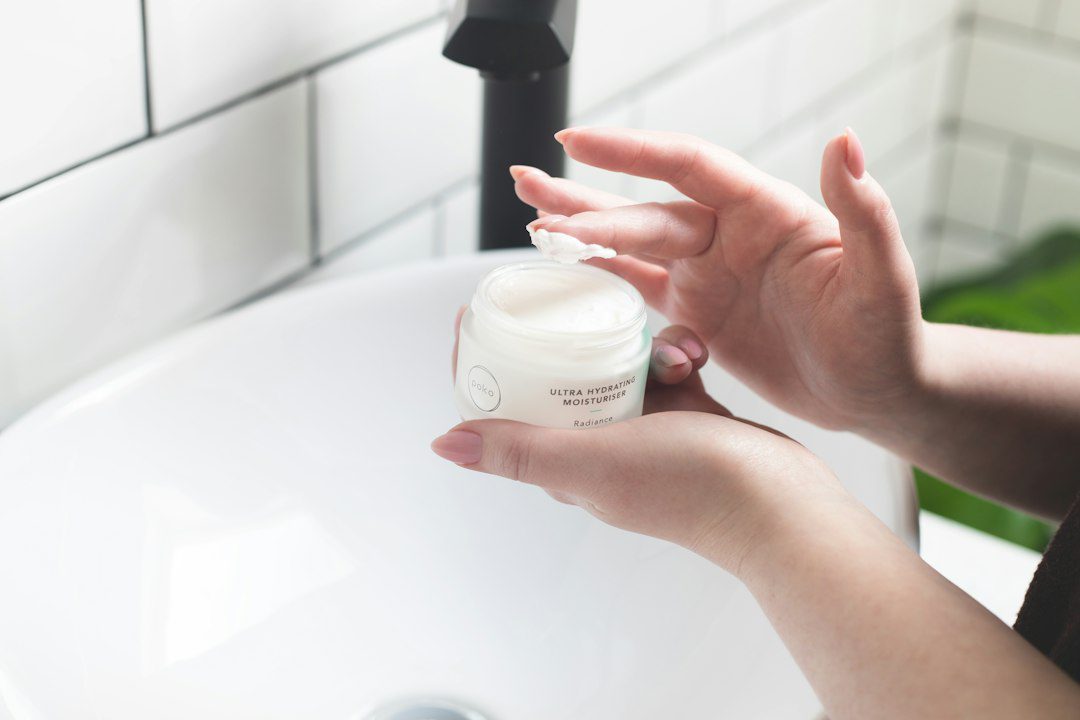
1. Apply a thick, fragrance-free moisturiser
For dry skin in winter, a fragrance-free cream or ointment is usually more effective for very dry skin than a light lotion. Look for ingredients such as petrolatum, glycerin, ceramides, dimethicone, or shea butter. These can help attract water or reduce moisture loss. Apply it after bathing, after washing your hands, and whenever skin feels tight.
Choose a product labelled “fragrance-free” rather than simply “unscented,” as unscented products may still contain masking fragrance. If you are acne-prone, choose a facial product labelled non-comedogenic.
2. Take short, lukewarm showers
To manage dry skin in winter, avoid long, hot showers, which may feel comforting but can worsen dryness. Keep baths or showers to about 5–10 minutes and use lukewarm water. Use a gentle cleanser only where needed instead of scrubbing the entire body with harsh soap.
After bathing, gently pat your skin with a towel—do not rub it completely dry. Apply moisturiser while your skin is still a little damp to help seal in moisture.
3. Try plain petroleum jelly on very dry patches
Plain petroleum jelly can form a protective layer that reduces water loss. A small amount may help rough elbows, heels, knuckles, and chapped lips. Apply it over slightly damp skin or on top of your usual moisturiser, especially before bed.
Use clean hands and stop if a product causes irritation. If you have acne-prone skin, use it selectively rather than coating areas where it tends to trigger breakouts. Petroleum-based emollients can make fabric more flammable, so keep treated clothing and bedding away from flames and smoking.
4. Use coconut oil cautiously if your skin tolerates it
Some people use plain coconut oil to soften dry skin. It can act as an emollient, but it is not the best choice for everyone and evidence for treating winter dryness is more limited than for standard moisturisers. Choose a simple product without added fragrance, test a small area first, and stop if you develop redness, itching, or bumps.
Avoid applying oils to open, infected, or weeping skin. For persistent eczema or painful cracks, a suitable moisturiser and professional advice are safer than relying on oil alone.
5. Consider colloidal oatmeal products for itchy skin
Colloidal oatmeal is finely ground oatmeal used in some moisturisers and bath products. It may soothe mild itch and support skin comfort. Choose a commercially prepared, fragrance-free product and follow its label. Avoid it if you have a known oat allergy or notice a reaction.
Do not scrub dry skin with kitchen oatmeal or rough exfoliating mixtures. Scrubbing can further irritate the skin barrier. If itching is intense, widespread, or persistent, ask a healthcare professional for advice.
6. Protect your hands and lips
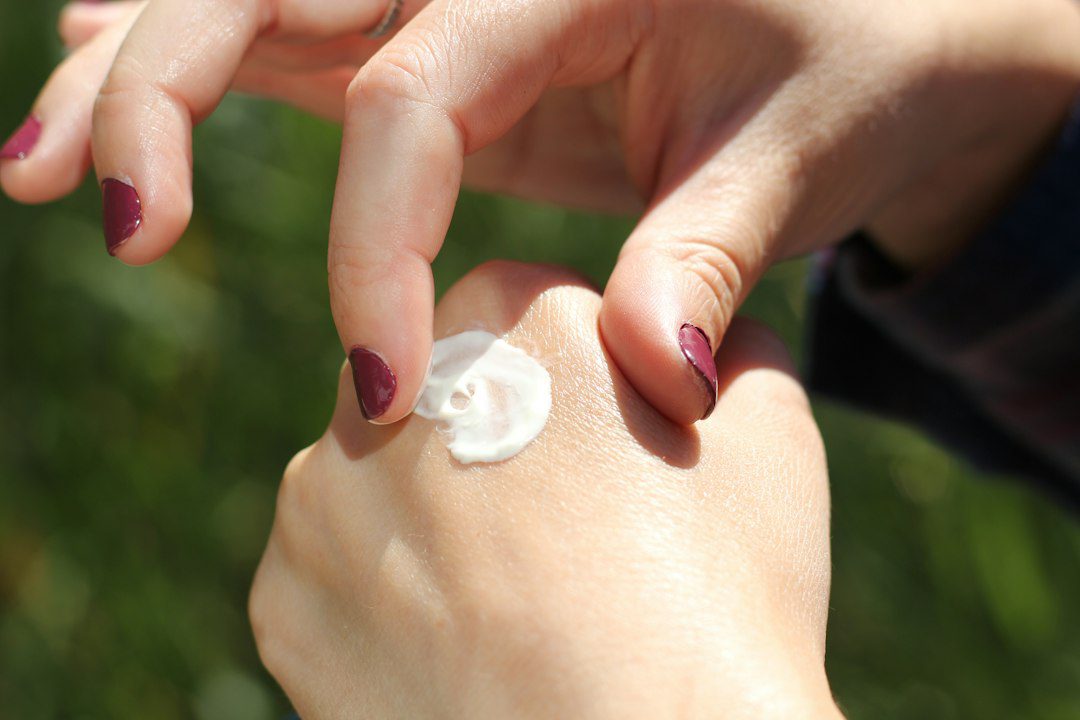
Hands are exposed to cold air, water, soap, and cleaning products. Apply hand cream after washing and before going outdoors. Wear warm gloves outside and protective gloves when washing dishes or handling cleaning products. Choose soft, breathable fabrics next to irritated skin.
For chapped lips, use a plain, non-irritating lip balm or petroleum jelly regularly. Avoid licking your lips and stop using products that sting or tingle, especially those with strong fragrance or flavouring.

7. Add moisture to dry indoor air
If indoor air is very dry, a humidifier may improve comfort and support your routine for dry skin in winter. Follow the manufacturer’s cleaning instructions and keep the device clean to prevent mould or microbial growth. A humidifier is optional; it does not replace moisturiser or treatment for a skin condition.
Avoid sitting very close to heaters or open fires, as direct heat can worsen dryness. Keep rooms comfortably warm and protect exposed skin when you go outside.
8. Support your skin with a balanced diet and enough fluids
Eat a varied diet with vegetables, fruit, pulses, nuts, seeds, whole grains, and sources of healthy fats. These foods provide nutrients that support normal skin function. Drinking enough fluids is important for general health, but drinking extra water alone will not usually fix dry skin if the skin barrier needs moisturising.
There is no single food, herbal drink, or supplement proven to cure winter dryness. Avoid high-dose supplements unless a qualified clinician recommends them, and be cautious with DIY face packs containing lemon juice, baking soda, essential oils, or strong spices because they can irritate skin.
What Should You Avoid on Dry Winter Skin?
- Very hot water, long showers, and vigorous scrubbing.
- Harsh soaps, fragranced products, and alcohol-heavy skin products that sting or dry your skin.
- Unproven DIY mixtures such as lemon juice, baking soda, or undiluted essential oils.
- Picking flakes or scratching itchy patches, which can damage skin and increase infection risk.
- Assuming every rash is ordinary dryness; eczema, psoriasis, contact dermatitis, and other conditions may look similar.
In Ayurveda, seasonal routines and the use of oils are traditional approaches to maintaining comfort during colder months. These practices should be adapted to the individual, and they do not replace evidence-based skin care or medical assessment when symptoms are persistent. Patch-test new products and avoid preparations with unclear ingredients.
Build a Simple Winter Skin Routine
- Morning: Wash gently if needed, apply a fragrance-free moisturiser, and use broad-spectrum SPF 30+ sunscreen on exposed skin.
- After bathing: Pat dry and apply moisturiser immediately while the skin is damp.
- During the day: Reapply hand cream after washing; protect hands and lips from cold air.
- At night: Apply a thicker cream or ointment to dry areas and use a humidifier if indoor air is very dry.
For more seasonal wellness ideas, read our guide to an Ayurvedic winter routine (Ritucharya). You may also find our practical guide to healthy daily habits for a better lifestyle useful. For broader nutrition habits, explore science-backed daily habits that support long-term health.
When Should You See a Doctor?
Seek medical advice if your skin is very painful, deeply cracked, bleeding, swollen, warm, oozing, or showing signs of infection. Arrange an assessment if the dryness is widespread, affects sleep, comes with a new rash, or does not improve after about two weeks of gentle skin care. A clinician can check for eczema, psoriasis, allergies, medication effects, or another underlying cause.
Frequently Asked Questions
1. What is the best home remedy for dry skin in winter?
A thick, fragrance-free moisturising cream or ointment is a reliable first choice. Apply it several times daily and immediately after a short, lukewarm shower.
2. Is coconut oil good for winter dry skin?
For dry skin in winter, coconut oil may soften skin for some people, but it can irritate others and may not suit acne-prone skin. Patch-test it first and stop if a reaction occurs. A fragrance-free moisturiser is a good starting option.
3. Does drinking more water cure dry skin?
Staying hydrated supports overall health, but extra water alone usually does not resolve winter dryness. Protecting the skin barrier and moisturising regularly are important.
4. Is aloe vera gel safe for dry skin?
Some people tolerate simple aloe vera products, but fragrances, preservatives, or other ingredients may cause irritation. Choose a product with a clear ingredient list, patch-test it, and stop if it stings or causes a rash.
5. How long does winter dry skin take to improve?
Mild dryness may begin to improve within days with consistent skin care, though some cases take longer. If it persists, worsens, or becomes painful, consult a healthcare professional.
6. When is dry skin a sign of a medical problem?
Persistent or severe dryness, intense itching, repeated cracking, bleeding, or a spreading rash can indicate a skin condition or another cause that needs assessment.
Conclusion
Dry skin in winter often improves with a few consistent habits: short lukewarm showers, gentle fragrance-free cleansing, frequent moisturising, and protection from cold and dry indoor air. Natural oils or oatmeal products may suit some people, but they are not guaranteed treatments and can irritate sensitive skin. Start with a simple routine, watch how your skin responds, and seek medical advice if symptoms are severe or persistent.
Explore more practical, evidence-informed wellness guides at CureLeaf Remedies.
Medical Disclaimer
This article is for general education and is not a substitute for individual medical advice, diagnosis, or treatment. Check with a healthcare professional if you have a skin condition, allergies, or symptoms that concern you.
1 thought on “Dry Skin in Winter: 8 Easy Remedies for Lasting Relief”