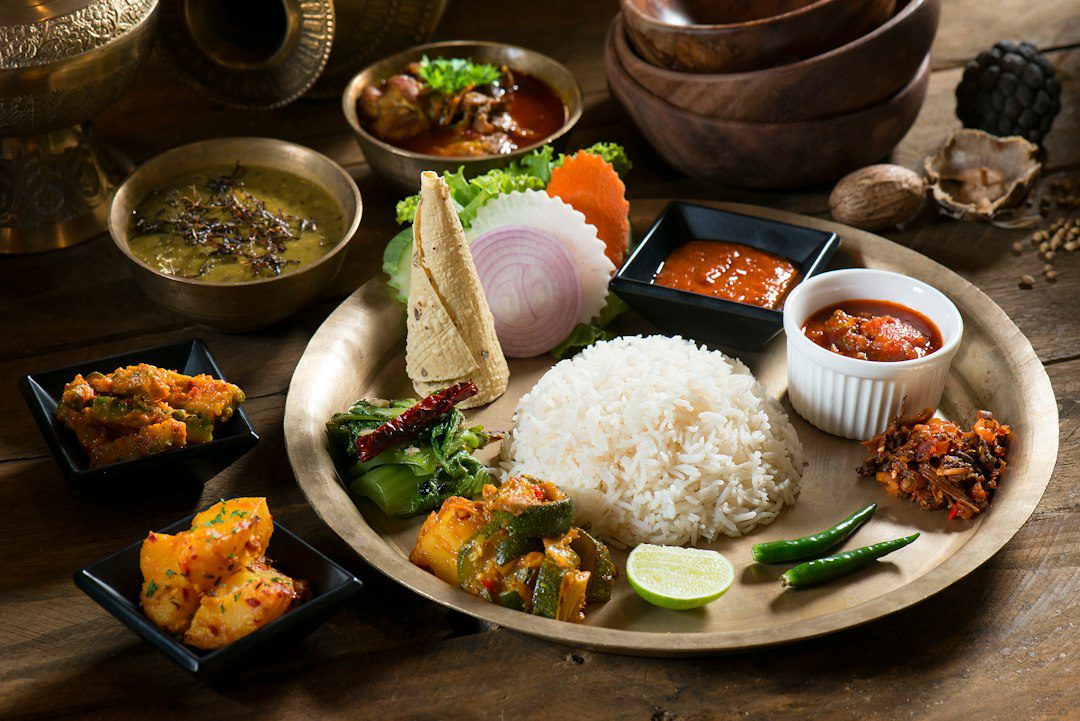
Have you ever wondered whether the order in which you eat your food matters? Many Indian meals contain rice or roti, dal, vegetables, curd and other foods. While the overall quality and quantity of food matter most, research suggests that eating vegetables and protein-rich foods before carbohydrate-rich foods may help reduce the rise in blood sugar after a meal.
The idea of eating vegetables before rice is simple. Start with fibre-rich vegetables, eat your protein-rich foods next, and finish with rice, roti or other carbohydrate-rich foods if this order feels comfortable.
It is not a magic trick, and it does not replace a balanced diet, exercise or diabetes treatment. However, this small change may be worth trying.
What Does Eating Vegetables Before Rice Mean?
Eating vegetables before rice is a meal-sequencing approach. Instead of beginning your meal with a large portion of rice or roti, you start with vegetables, followed by protein-rich foods and then your carbohydrate portion.
For example, during an ordinary Indian lunch, you might eat:
- A serving of cooked vegetables or salad first.
- Dal, curd, paneer, eggs, fish or another protein source next.
- Rice or roti towards the end of the meal.
The goal is not to avoid rice. It is to improve the balance of the entire meal and make carbohydrate-rich foods one part of your plate rather than the main component.
Why Does Food Order Matter for Blood Sugar?
When you eat carbohydrate-rich foods, your digestive system breaks down carbohydrates into glucose, which enters your bloodstream. Your blood sugar naturally rises after eating. How much and how quickly it rises can depend on the amount and type of carbohydrate, fibre, protein and fat content, physical activity and your body’s insulin response.
Vegetables contain fibre, and protein-rich foods may influence how quickly food moves through the digestive system and how glucose appears in the bloodstream.
Some small clinical studies suggest that eating vegetables and protein before carbohydrates may reduce the early post-meal glucose rise compared with eating carbohydrates first. However, results vary, and this should not be interpreted as a guaranteed improvement in long-term diabetes control.
What Does the Research Say?
A 2026 systematic review and meta-analysis examined 18 randomized controlled trials of vegetable-first meal approaches. It reported lower glucose and insulin responses at some early time points, but the authors rated the evidence very low in certainty and noted important methodological limitations.
Earlier research and systematic reviews have also found that eating carbohydrate-rich foods last may produce lower short-term glucose and insulin excursions in some participants.
These findings relate mainly to short-term responses after meals. They do not prove that food sequencing alone prevents diabetes or permanently improves HbA1c. The practical takeaway is that vegetables before rice may be a helpful habit for some people, but the overall diet, portion sizes, regular activity and individual health matter more than a rigid food-order rule.
5 Ways to Try the Vegetables-Before-Rice Approach
1. Start with vegetables
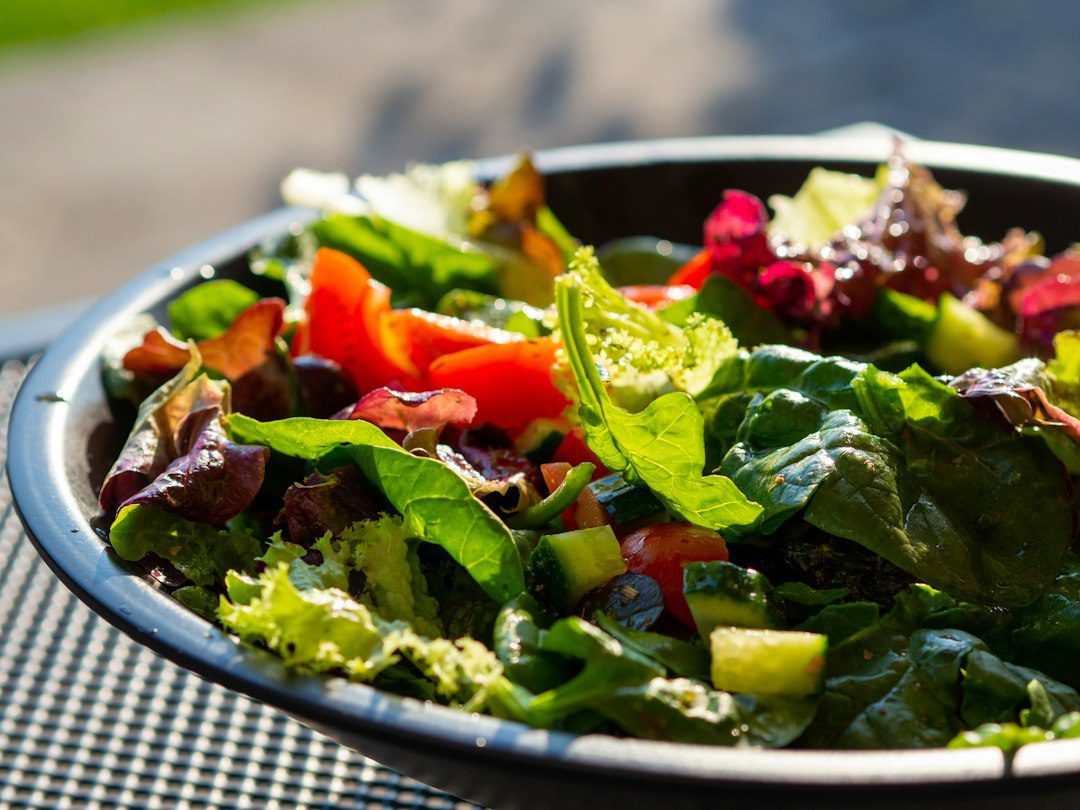
Begin your meal with a portion of vegetables. Choose foods that fit your regular Indian cooking style, such as cucumber and tomato salad, lauki, bhindi, beans and carrots, palak or other leafy vegetables, cabbage, cauliflower or mixed vegetables. You do not need an expensive salad or special food. Regular home-cooked vegetables can work.
2. Add protein-rich foods to your meal
After vegetables, include protein-rich foods such as dal, chana, rajma, curd, paneer, tofu, eggs, fish or chicken. Protein supports muscle maintenance, helps make meals satisfying and contributes to a balanced diet. The amount you need depends on your age, activity level and health.
3. Keep your rice or roti portion reasonable
Eating vegetables before rice does not mean you can eat unlimited rice afterwards. Portion size still matters. Try adjusting your plate rather than eliminating rice: increase vegetables, include an adequate protein source, and keep rice or roti in a portion that fits your needs.
People with diabetes who take insulin or medicines that can cause low blood sugar should avoid making major carbohydrate changes without guidance from their healthcare professional.
4. Walk gently after meals
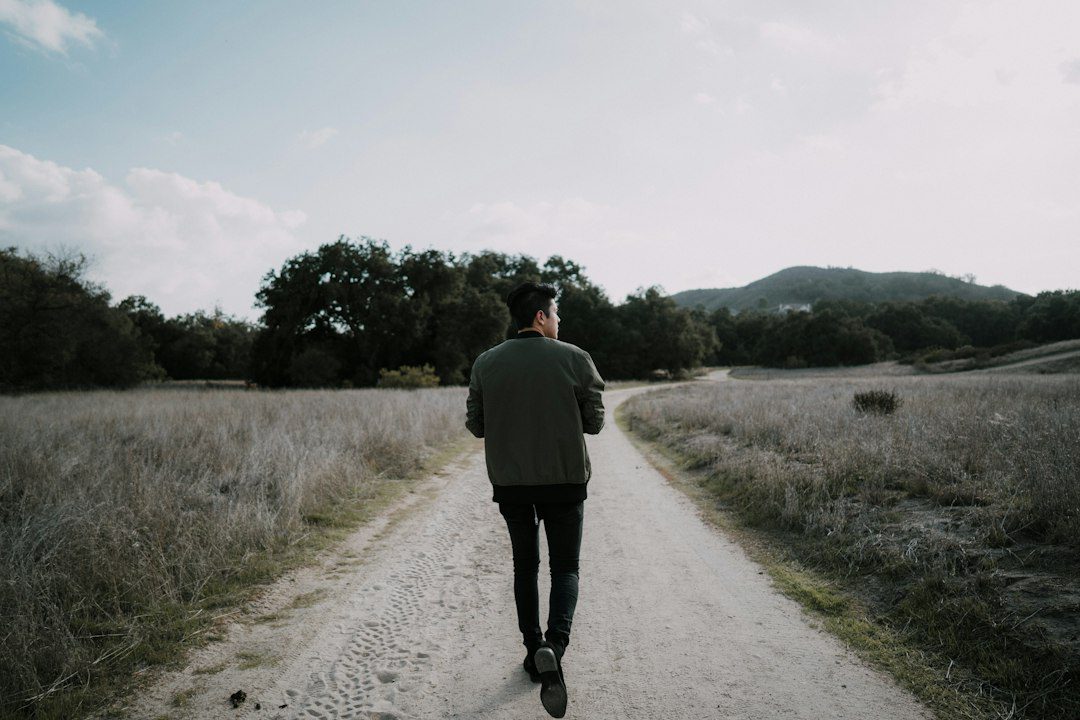
Food order is only one possible habit. Physical activity can also influence blood sugar. A short, comfortable walk after a meal may help your muscles use glucose. A systematic review and meta-analysis of randomized trials found that exercise after meals reduced post-meal glucose excursions compared with exercise before meals or inactive control conditions. Start with a comfortable 5–10-minute walk if suitable for your fitness level. You do not need to walk fast or exercise intensely immediately after eating.
5. Focus on consistent healthy habits
Eating vegetables before rice is just one part of metabolic wellness. Other helpful habits include eating meals at reasonably regular times, choosing whole fruit instead of sugary drinks, including fibre-rich foods throughout the day, getting sufficient sleep, maintaining regular physical activity and avoiding prolonged sedentary periods.
Read more: 9 Morning Habits That May Help Support Healthy Blood Sugar.
A Simple Indian Plate Example
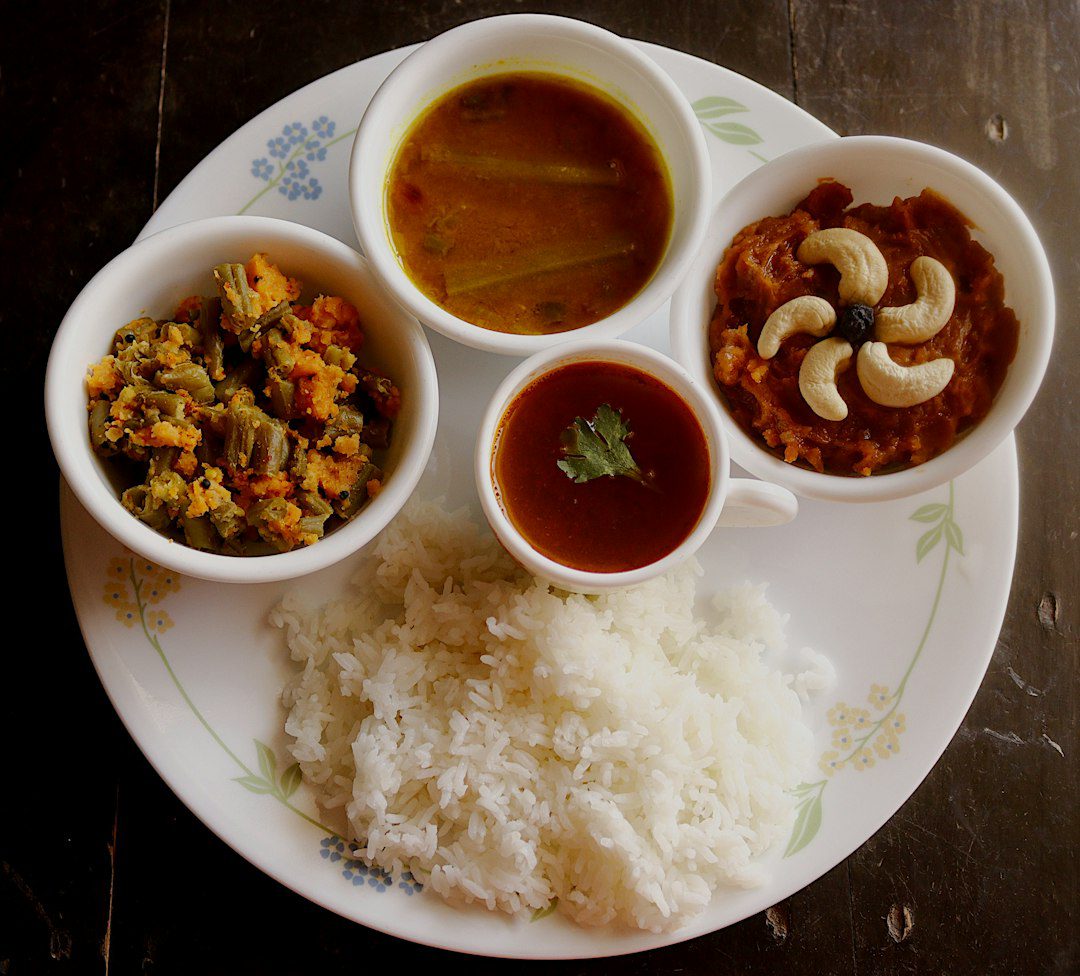
You do not need a special diet to experiment with meal sequencing. For a simple lunch, start with cucumber, tomato or cooked vegetables; next, have dal, curd, paneer or another protein source; and then enjoy rice or roti in a comfortable portion.
This can be done with many regional Indian meals, including rice-based lunches, khichdi meals, sambar rice combinations and home-cooked thalis. The order can be flexible. You do not have to separate foods rigidly or make eating stressful.
For more ideas on balancing food choices, read 12 Everyday Foods That May Help Reduce Sugar Cravings.
Does Eating Vegetables Before Rice Help Everyone?
No. The response to meal sequencing varies. Some people may experience a smaller early glucose rise, while others may notice little difference. Meal composition, portion sizes, medication, digestion and individual metabolic factors all influence the response.
People with diabetes should not use food sequencing as a replacement for prescribed treatment, glucose monitoring or professional advice. For general digestive and dietary habits, see our gut health guide.
Frequently Asked Questions
1. Should I eat vegetables before rice every day?
You can try this approach if it suits your meals and preferences. It is not mandatory, and the overall nutritional quality and quantity of your diet matter more than following a strict food order.
2. Does eating vegetables before rice prevent diabetes?
No. It may help reduce some short-term post-meal glucose responses, but there is insufficient evidence to claim that this habit alone prevents diabetes.
3. Can I still eat white rice if I have diabetes?
Many people with diabetes can include rice in their diet. Portion size, meal composition, individual glucose response and medication all matter. A registered dietitian can help you plan suitable portions.
4. Should I eat dal before rice?
Dal provides protein, fibre and other nutrients. Including dal alongside vegetables and rice can make a meal more balanced. Some people may find eating protein-rich foods before carbohydrate-rich foods helpful for their post-meal glucose response.
5. Is walking after meals good for blood sugar?
A short, comfortable walk after eating may help reduce post-meal glucose excursions. The benefit varies, and walking is not a substitute for diabetes treatment or regular physical activity.
6. Does food order matter more than portion size?
No. Food order may influence short-term glucose responses, but portion size, overall diet quality, physical activity, sleep and individual health remain important.
Final Takeaway
Eating vegetables before rice may be a simple way to experiment with meal sequencing and support healthier post-meal glucose responses. Start with vegetables, include protein-rich foods, enjoy a sensible portion of rice or roti and move gently after meals if appropriate. These habits can complement a balanced eating pattern without making everyday Indian food restrictive.
This article is for educational purposes only and does not replace medical advice, diagnosis or treatment.