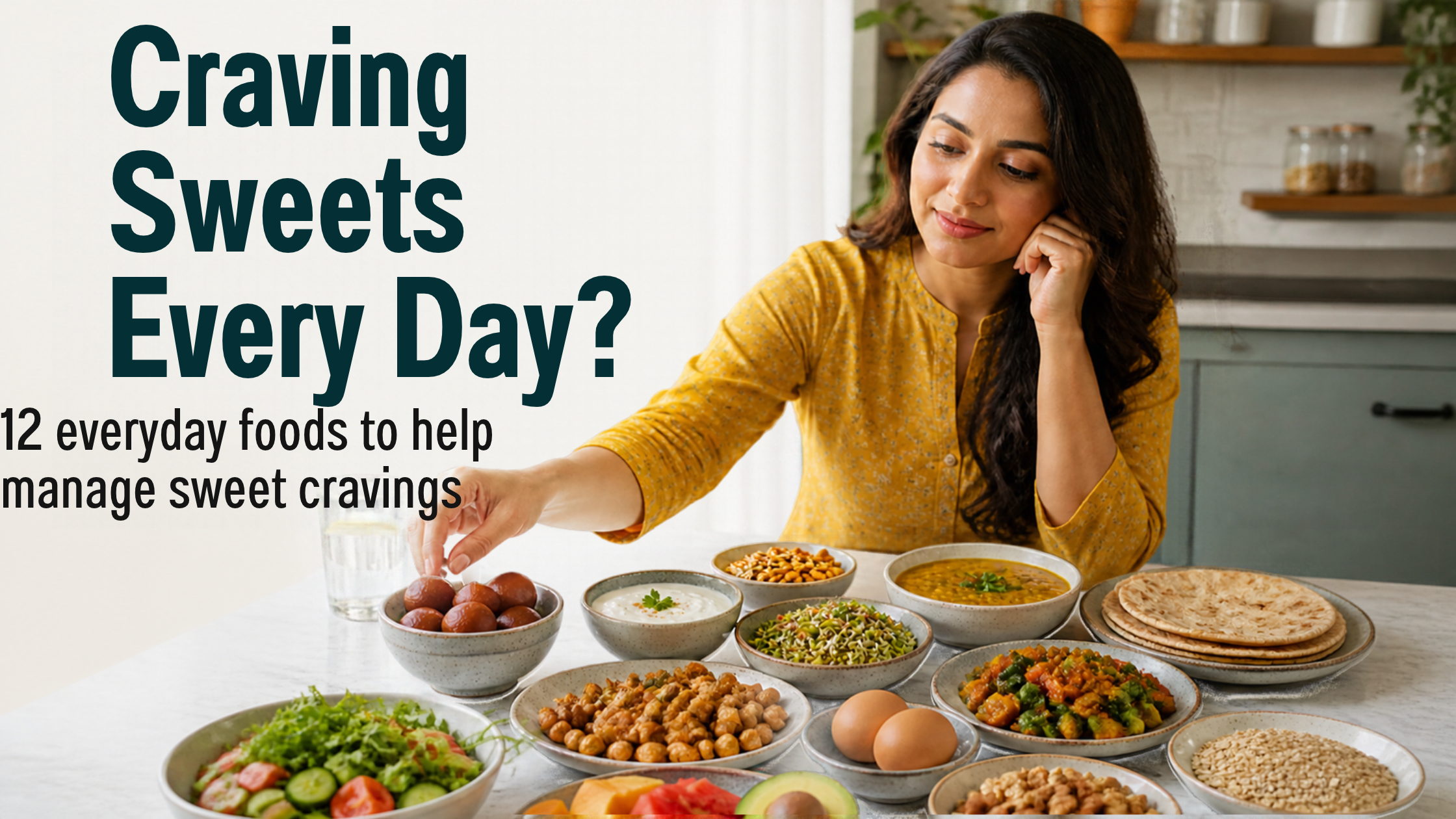
Craving sweets every day? You are not alone. A strong urge for chocolate, biscuits, sweet tea or desserts can appear when you are hungry, tired, stressed, bored or surrounded by tempting foods. Choosing satisfying meals and snacks may make these urges easier to manage. This guide explains 12 everyday foods to reduce sugar cravings by helping you build meals with protein, fibre and healthy fats. Choosing practical foods to reduce sugar cravings can make balanced snacks easier to plan. They are not a treatment for diabetes or a guaranteed way to stop cravings, but they can be practical additions to a balanced eating pattern. Think of foods to reduce sugar cravings as part of satisfying meals, not as a cure.
There is no single food that switches off a sweet tooth. Food cravings are influenced by habits, food cues, stress, sleep and appetite signals. Harvard’s Nutrition Source explains that cravings are complex and are not always the same as physical hunger. The useful approach is to notice your pattern and make nourishing choices easier to reach.
Why do sugar cravings happen?
Sugar cravings can have several triggers. You may feel hungrier after skipping meals or going a long time without eating. Poor sleep and ongoing stress can affect appetite and food choices. A habit—such as having biscuits with evening tea or dessert while watching television—can also become a cue for wanting something sweet.
Restricting food too severely may backfire for some people. Instead of banning every sweet food, focus on regular meals, enough protein, fibre-rich carbohydrates and enjoyable portions. Including foods to reduce sugar cravings in this routine may support fullness and help you avoid arriving at meals extremely hungry. These habits can help you feel satisfied and may make it easier to choose foods to reduce sugar cravings instead of relying on highly sweetened snacks.
12 everyday foods to reduce sugar cravings
1. Plain curd or unsweetened Greek yogurt
Plain curd provides protein and, depending on the type, beneficial live cultures. Protein contributes to fullness, making curd a useful snack between meals. Choose unsweetened curd rather than flavoured varieties that may contain added sugar. Add a little cinnamon, chopped nuts or fresh fruit for flavour. If you are lactose intolerant, choose a suitable lactose-free alternative.
2. Eggs
Eggs are a convenient source of high-quality protein. A boiled egg with whole-grain toast, or an egg bhurji with vegetables, can make breakfast more satisfying than tea and biscuits alone. Eggs are not a direct craving remedy, but including protein at meals can support a balanced eating pattern. When planning foods to reduce sugar cravings, combine a fibre source with protein when possible.
3. Lentils and dal
Masoor, moong, toor and other dals provide plant protein, fibre and several minerals. A bowl of dal with vegetables and a modest portion of rice or roti makes a practical Indian meal. The combination of protein and fibre can help you feel comfortably full. Increase fibre gradually and drink enough water if you are not used to eating pulses regularly.
4. Chickpeas and roasted chana
Chickpeas contain fibre and plant protein. Roasted chana is an affordable, portable snack that can replace some packaged sweet or salty snacks. You can also add boiled chana to salads, make chana chaat with onion and tomato, or prepare hummus. Watch added salt and oil in packaged versions.
5. Oats
Oats contain soluble fibre, including beta-glucan. A bowl of plain oats cooked with milk or an unsweetened alternative can be topped with nuts, seeds or fruit. Avoid turning it into a dessert with large amounts of sugar, honey or sweetened syrups. For many people, foods to reduce sugar cravings are most useful when they replace—not simply add to—highly sweetened snacks. If you prefer Indian flavours, try savoury oats with vegetables and spices.
6. Apples and pears
Whole apples and pears provide water and fibre. Eating whole fruit is generally more filling than drinking juice because the intact fruit takes longer to eat and retains its fibre. Pair apple slices with a small portion of unsweetened peanut butter or nuts if you want a more substantial snack. Choose whole fruit rather than fruit juice most of the time.
7. Guava and other whole fruits
Guava is widely available in India and provides fibre and vitamin C. Oranges, papaya, berries and other whole fruits can also add natural sweetness to meals. Fruit contains naturally occurring sugars, but whole fruit comes with fibre and water. The best foods to reduce sugar cravings are those you enjoy, can afford and can include consistently. It does not need to be avoided by most people simply because it tastes sweet. If you have diabetes, follow your individual portion guidance from your clinician or dietitian.

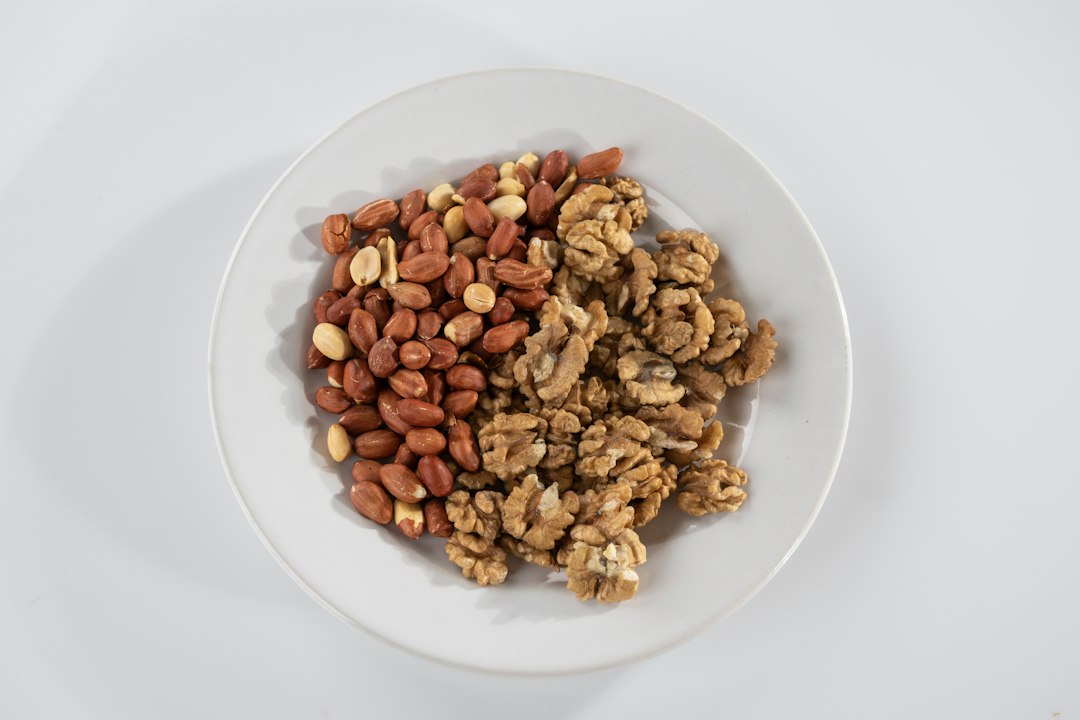
8. Almonds and walnuts
Nuts provide a combination of unsaturated fats, fibre and some protein. A small handful can make a snack more satisfying, especially when paired with fruit or plain curd. Nuts are energy-dense, so portion size matters. Choose plain or lightly roasted nuts rather than sugar-coated varieties.
9. Chia seeds
Chia seeds absorb liquid and provide fibre and plant-based omega-3 fat. Add a spoonful to plain curd, oats or a homemade pudding without added sugar. Soak chia seeds before eating and increase the amount gradually. They are one of several foods to reduce sugar cravings that can help make a snack more filling, not a medicine for cravings.
10. Flaxseeds
Ground flaxseeds add fibre and plant-based omega-3 fat to meals. Sprinkle a small amount over curd, porridge or cooked vegetables. Ground flaxseed is easier to use in meals than whole seeds for many people. Store it in an airtight container, preferably in a cool place.
11. Tofu and soybeans
Tofu and cooked soybeans provide plant protein. Add tofu to vegetable stir-fries, curries or salads, or include soybeans in a mixed bean dish. Protein-rich foods can help meals feel more complete. Choose preparations that are not heavily deep-fried or coated in sweet sauces.
12. Sweet potatoes
Sweet potatoes provide fibre and naturally sweet flavour. Boil, steam or roast them and serve with a protein source such as curd, dal or eggs. Their sweetness may satisfy a preference for sweet-tasting foods while keeping the meal based on whole ingredients. They still contain carbohydrates, so portion size should fit your overall meal plan.
How to use these foods in an Indian daily routine
You do not need to eat all 12 foods every day. Choose combinations that suit your appetite, budget, culture and health needs. Rotate different foods to reduce sugar cravings across the week rather than relying on one ingredient. For example:
- Breakfast: oats with plain curd, chia and a few nuts, or eggs with whole-grain toast.
- Mid-morning: one whole fruit such as guava, apple or orange.
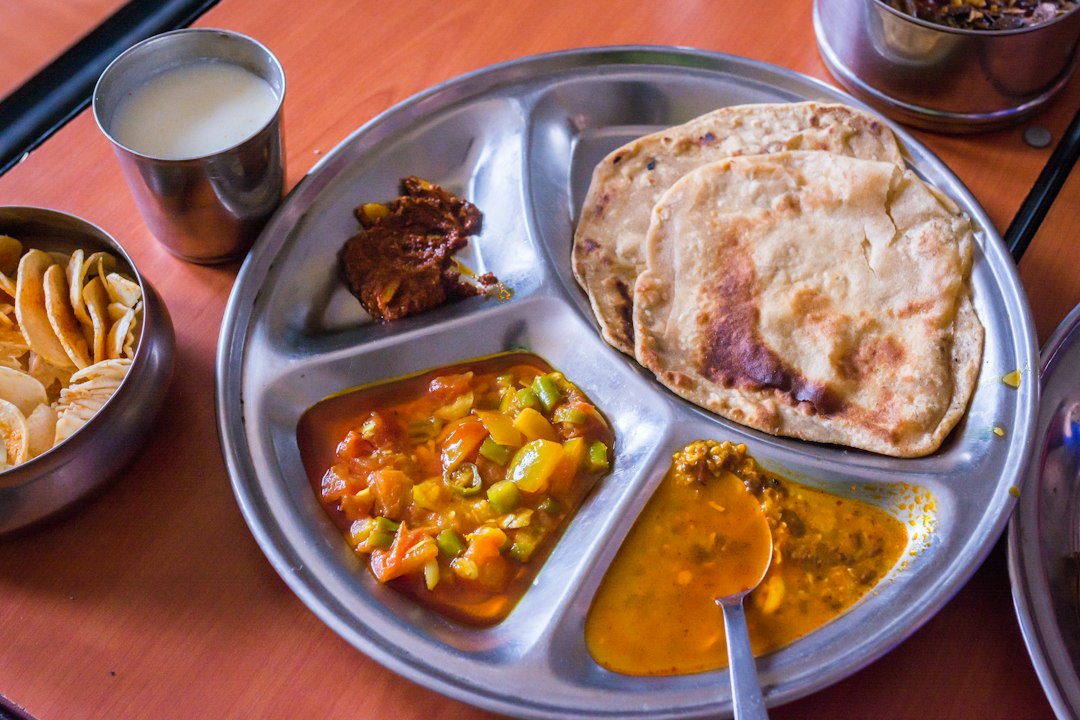
- Lunch: dal, vegetables, salad and a suitable portion of rice or roti.
- Evening snack: roasted chana, plain curd or a small handful of nuts.
- Dinner: vegetables with dal, tofu or another protein source, plus a whole-grain staple.
Five practical habits that may make cravings easier to manage
- Eat regular, balanced meals. Avoid repeatedly skipping meals if it leaves you extremely hungry later. Include a protein source, vegetables or fruit, and a fibre-rich carbohydrate.
- Keep nourishing snacks visible. Keep fruit, plain curd or roasted chana easy to reach. Store sweets and highly processed snacks less prominently if they are a frequent trigger.
- Notice your triggers. For a week, note when cravings occur, what you were doing and whether you were hungry, tired or stressed. A pattern may become clear. Think of foods to reduce sugar cravings as building blocks for balanced meals, not a short-term detox.
- Prioritise sleep and stress care. A consistent sleep schedule, a short walk and simple relaxation practices may support healthier routines.
- Reduce added sugar gradually. Cut back on sugar in tea or coffee a little at a time and compare labels on packaged foods. You do not need to replace every sweet food with a sweetener. Pairing meals with foods to reduce sugar cravings—such as fruit, curd, pulses or nuts—can be a more nourishing strategy than skipping food.
The World Health Organization recommends keeping free sugars below 10% of total daily energy intake, with a further reduction to below 5% suggested for additional health benefits. Free sugars include sugars added to foods and drinks, as well as those in honey, syrups and fruit juices. This guidance is about overall dietary patterns—not a requirement to avoid whole fruit.
When should you seek medical advice?
Frequent cravings alone do not diagnose a health condition. However, speak with a healthcare professional if cravings occur alongside excessive thirst, frequent urination, unexplained weight changes, unusual fatigue, blurred vision or recurrent infections. These symptoms deserve assessment, including consideration of blood glucose testing where appropriate.
If you have diabetes, are pregnant, take glucose-lowering medicines, or have a history of disordered eating, avoid making major dietary changes without personalised advice. Do not stop or adjust prescribed medication because of a food choice. For practical background, read our guides on healthy habits that support diabetes prevention and healthy daily habits for a better lifestyle.
Frequently asked questions
Which food is best when I crave something sweet?
There is no single best food for everyone. Try whole fruit with plain curd or a few nuts. These are useful foods to reduce sugar cravings when you want a snack with fibre, protein or healthy fats. This gives you natural sweetness alongside fibre, protein or healthy fats.
Can fruit increase blood sugar?
Whole fruit contains carbohydrates and can affect blood glucose, but it also provides fibre, water and nutrients. Most people do not need to avoid whole fruit. If you have diabetes, discuss suitable portions and fruit choices with your healthcare professional.
Does cinnamon stop sugar cravings?
Cinnamon can add flavour without added sugar, but evidence does not establish it as a reliable treatment for sugar cravings or diabetes. Use it as a spice if you enjoy it, not as a substitute for medical care.
How quickly can food changes reduce cravings?
There is no guaranteed timeline. Some people find that regular meals and satisfying snacks help them manage hunger, while cravings related to stress, sleep, habits or medicines may need other strategies. Use foods to reduce sugar cravings as part of your usual meals rather than as a restrictive diet.
Are these foods suitable for people with diabetes?
Many can fit into a diabetes-friendly eating pattern, but portions and preparation matter. Personalise your choices with a registered dietitian or treating clinician, especially if you use insulin or medicines that can cause low blood glucose.
Final takeaway
The most useful foods to reduce sugar cravings are not miracle ingredients. Plain curd, eggs, dal, chickpeas, oats, whole fruit, nuts, seeds, tofu and sweet potatoes can help you build satisfying meals and snacks. Combine them with regular eating, good sleep and realistic changes to added sugar. Consistency matters more than perfection.
For more practical wellness guidance, explore our article on common signs of poor gut health. For evidence-based guidance on healthy eating and free sugars, see the World Health Organization’s healthy diet guidance and Harvard’s overview of food cravings.
Medical note: This article is for general education and is not a substitute for individual medical advice, diagnosis or treatment.