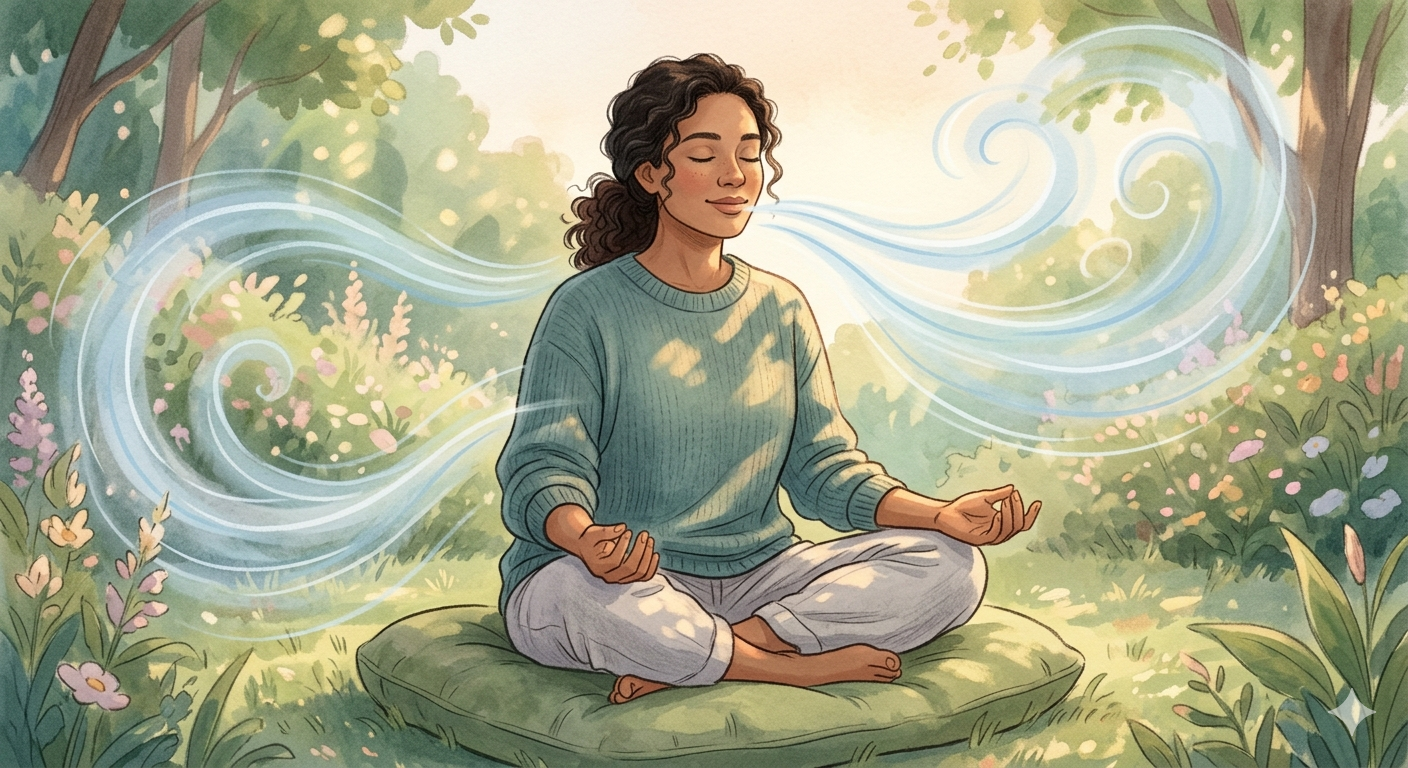
Stress has become a silent epidemic in modern life. From work pressure to digital overload, chronic stress affects both mental and physical health. Research shows that prolonged stress can contribute to heart disease, weakened immunity, and even faster aging. (Scientific American)
The good news? Science now confirms that simple, natural strategies can significantly reduce stress—without medication.
Discover these Science-backed ways to reduce stress naturally that can enhance your overall well-being.
For more practical wellness tips, explore our complete guide on natural health and stress management.
👉 According to research from NCCIH (National Center for Complementary and Integrative Health), stress can affect both mental and physical health.
In this guide, we’ll explore 10 science-backed ways to reduce stress naturally, based on the latest 2025–2026 research, including Science-backed ways to reduce stress naturally that are effective and easy to implement.
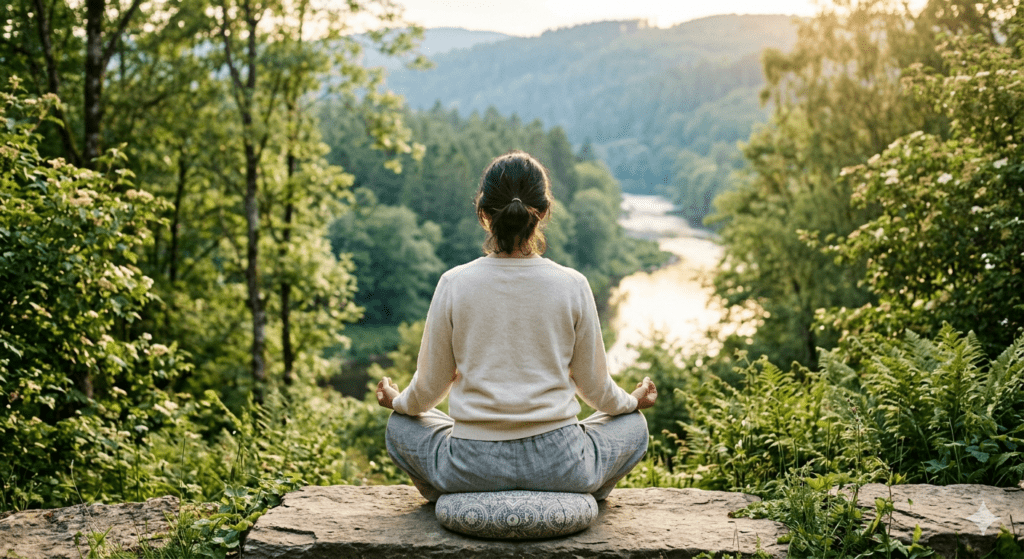
1. Practice Deep Breathing (Instant Calm Technique)
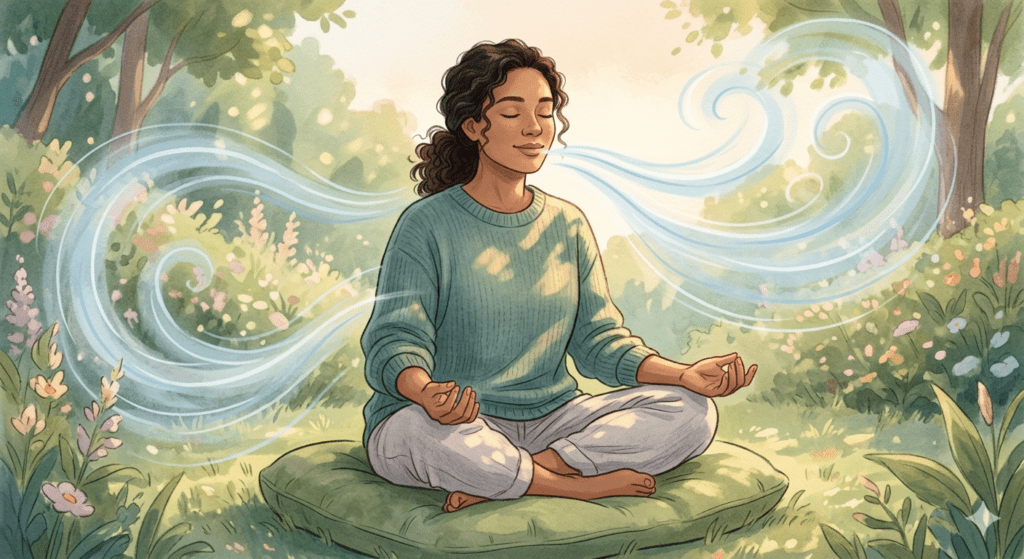
Slow, controlled breathing activates the parasympathetic nervous system, which helps your body relax.
👉 Research shows deep breathing can lower cortisol (stress hormone) and heart rate within minutes.
Try this:
- Inhale for 4 seconds
- Hold for 4 seconds
- Exhale for 6–8 seconds
2. Exercise Regularly (Natural Stress Reliever)
(Science-Backed Way to Reduce Stress Naturally with Exercise )
Physical activity releases endorphins, your brain’s “feel-good” chemicals.
Studies confirm that even 20–30 minutes of walking can reduce stress and improve mood. (Scientific American)
✔ Best options:
- Walking
- Yoga
- Cycling
👉 Studies from CDC confirm that regular physical activity helps reduce stress and improve mental health.
3. Spend Time in Nature (The “Nature Reset” Effect)

Spending time outdoors reduces cortisol levels and improves mental clarity. Research shows that even 10–20 minutes in nature can significantly lower stress. (EatingWell)
🌿 Tip: Try “forest bathing” or simply sit in a park without your phone.
4. Improve Sleep Quality
Poor sleep increases stress hormones and emotional reactivity.
✔ Science-backed tips:
- Maintain a fixed sleep schedule
- Avoid screens before bed
- Sleep 7–8 hours
Good sleep helps regulate your body’s stress response.
5. Try Mindfulness & Meditation
Mindfulness helps you stay present instead of worrying about the future.
Research shows meditation can:
- Reduce anxiety
- Improve emotional control
- Lower cortisol levels
Even 10 minutes daily can make a difference.👉 Research published by American Psychological Association shows meditation reduces stress and improves emotional well-being.
6. Build Strong Social Connections
Humans are wired for connection. Talking to friends or family reduces stress and improves resilience.
Studies show social support can buffer the negative effects of stress on health. (Scientific American)
✔ Simple idea: Call a friend instead of scrolling social media.
7. Write It Down (Stress Journaling)
Writing your thoughts helps clear mental clutter and improves emotional processing.
Research suggests journaling:
- Reduces anxiety
- Improves immune function
- Enhances problem-solving
👉 Try a “brain dump” before bed.
8. Take Control of Your Day
Feeling in control is a powerful stress reducer.
A 2025 study found people were 62% more likely to manage stress effectively when they felt in control of their daily tasks. (ScienceDaily)
✔ Action tip:
- Make a daily priority list
- Focus on what you can control
9. Optimize Your Diet (Gut-Brain Connection)
Your gut and brain are deeply connected.
Research shows:
- Omega-3 fatty acids reduce inflammation
- Probiotics support mood balance
- Magnesium helps relax the nervous system (Scientific American)
🥗 Eat more:
- Fruits & vegetables
- Nuts & seeds
- Whole foods
10. Reframe Your Thoughts (Cognitive Shift)
Your perception of stress matters.
Studies show that reframing stress as a challenge instead of a threat improves performance and reduces anxiety. (Scientific American)
👉 Example:
Instead of thinking “I can’t handle this”, try “This will help me grow.”
Final Thoughts
Stress is unavoidable—but suffering from it doesn’t have to be.
Science clearly shows that small daily habits can rewire your brain and body for resilience. Whether it’s breathing exercises, better sleep, or spending time in nature, these natural methods can transform your mental well-being.
👉 Start with just 1–2 habits today, and build from there.
Short Medical Disclaimer
This content is for informational purposes only and does not replace professional medical advice. Consult a healthcare provider for personalized guidance.