
What Is Intermittent Fasting?
Intermittent Fasting is an eating pattern where you cycle between periods of eating and fasting. Instead of focusing on what to eat, it focuses on when you eat.
Many people practice fasting for weight loss, better metabolism, and improved overall health. This method has become popular worldwide because it is simple and flexible.
Research shows that fasting can help the body switch from using sugar as fuel to using stored fat for energy.
According to research from the National Institute on Aging, intermittent fasting may help improve metabolic health and support healthy aging.
How Intermittent Fasting Works
When you eat food, your body uses glucose for energy. During fasting hours, glucose levels drop and the body starts burning stored fat.
This process is linked to a biological process called:
Autophagy — a natural process where the body removes damaged cells and regenerates new ones.
Many scientists believe this process helps improve longevity and disease prevention.
If you want to combine fasting with physical activity, read our guide on morning yoga routines for beginners.
Popular Intermittent Fasting Methods
There are several ways to practice intermittent fasting.
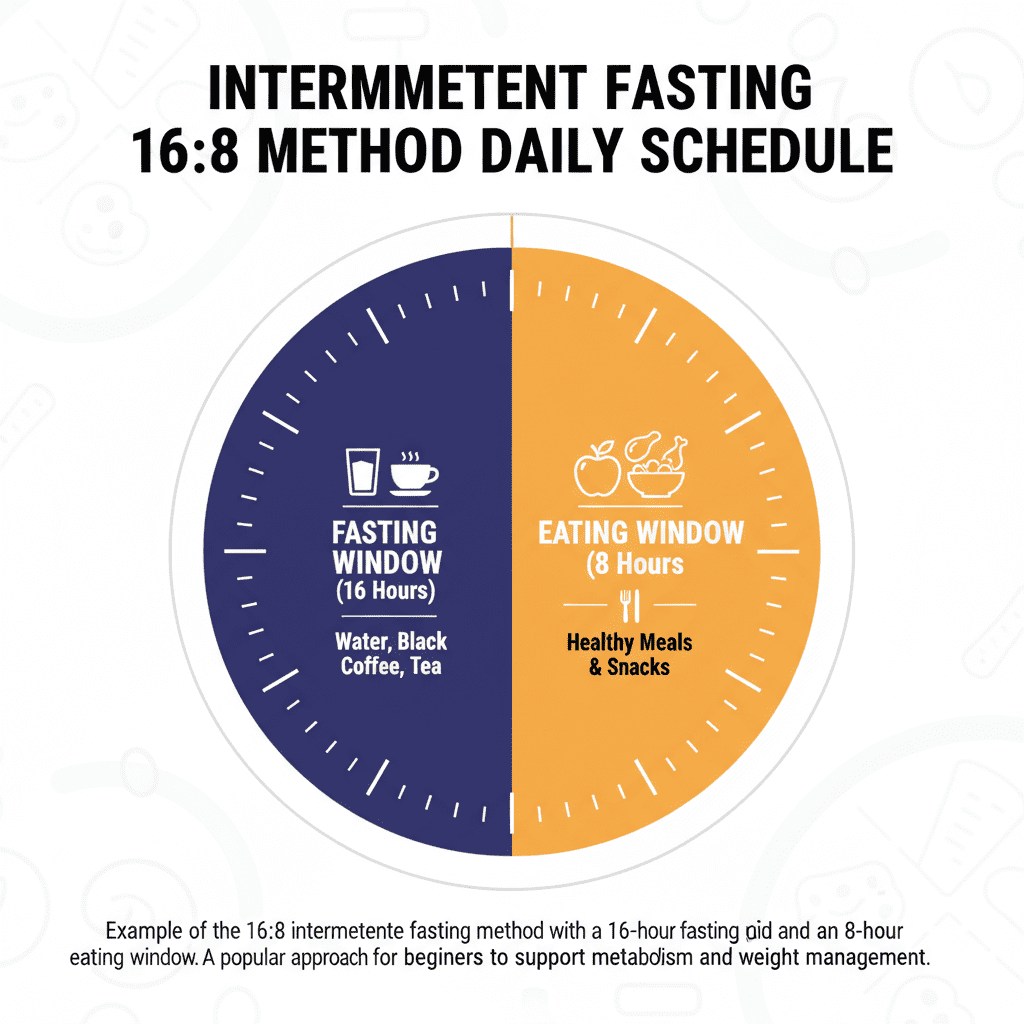
1. 16:8 Method
- Fast for 16 hours
- Eat during 8-hour window
Example:
Eat between 12 PM – 8 PM
This is the most beginner-friendly method.
2. 5:2 Method
- Eat normally 5 days a week
- Reduce calories to about 500–600 calories for 2 days
3. Eat-Stop-Eat Method
- Fast for 24 hours once or twice a week
Example:
Dinner today → Dinner tomorrow.
This method is more advanced and may not suit beginners.
Health Benefits of Intermittent Fasting
Scientific studies suggest several potential benefits.
1. Helps With Weight Loss
Fasting reduces calorie intake and increases fat burning.
2. Improves Blood Sugar Control
Intermittent fasting may help reduce the risk of:
Type 2 Diabetes
For medical guidance on fasting and diet, visit the official health resources provided by the National Center for Complementary and Integrative Health.

3. Supports Heart Health
Research shows fasting may help improve:
- Cholesterol
- Blood pressure
- Inflammation
These factors are linked to:
Heart Disease
Healthy fasting habits can also support long-term wellness and longevity, similar to the strategies discussed in our article on lowering biological age naturally.
4. Improves Brain Health
Fasting may increase production of brain hormones that support memory and learning.
Some research suggests it may reduce risk of neurodegenerative diseases like:
Alzheimer’s Disease
Maintaining a healthy diet and fasting schedule may also help improve cardiovascular health. You can read more in our guide on how to control blood pressure naturally.
Ayurvedic View on Fasting
In Ayurveda, fasting is known as Upavasa.
Ayurveda believes fasting helps balance Agni (digestive fire) and remove toxins called Ama.
Benefits according to Ayurveda include:
- Better digestion
- Improved metabolism
- Mental clarity
- Natural detoxification
However, Ayurveda also recommends gentle fasting, not extreme starvation.
Common Ayurvedic fasting foods include:
- Fruits
- Herbal teas
- Light soups
- Warm water
Safety Tips for Intermittent Fasting (Important)
Health blogs must include safety advice.
Before starting intermittent fasting:
✔ Drink enough water
✔ Eat balanced meals during eating window
✔ Include protein, healthy fats, and fiber
✔ Avoid overeating after fasting
People with medical conditions should consult a doctor.
For evidence-based health information, you can read guidance from
National Institute on Aging.
Several studies on fasting and metabolism are published in journals indexed by the National Library of Medicine.
Who Should Avoid Intermittent Fasting
Intermittent fasting may not be safe for everyone.
Avoid or consult a doctor if you are:
- Pregnant or breastfeeding
- Underweight
- Taking diabetes medication
- Having eating disorders
- Under 18 years old
Safety should always come first.
Simple Beginner Plan
If you want to try intermittent fasting, start slowly.
Week 1
12-hour fasting window
Example
8 PM dinner → 8 AM breakfast
Week 2
Increase fasting to 14 hours
Week 3
Try 16:8 fasting
Eat healthy meals like:
- Vegetables
- Whole grains
- Nuts
- Fruits
- Lean protein
Avoid excessive sugar and processed foods.
Frequently Asked Questions
Is intermittent fasting safe?
For most healthy adults, intermittent fasting is considered safe when done properly.
Can I drink water during fasting?
Yes. You can drink:
- Water
- Black coffee
- Green tea
Avoid drinks with calories.
How long does it take to see results?
Many people start seeing changes in 2–4 weeks, depending on diet and lifestyle.
Conclusion
Intermittent fasting is a simple and flexible way to improve health. When practiced correctly, it may support weight loss, metabolism, and overall wellness.
However, fasting is not a magic solution. The best results come from combining fasting with:
- Healthy diet
- Regular exercise
- Good sleep
- Stress management
Always listen to your body and consult a healthcare professional if needed.
About the Author
Cure Leaf Remedies is a health and wellness-focused platform dedicated to sharing evidence-based natural remedies, yoga practices, herbal healing knowledge, and the latest medical research in simple and practical language.
Our mission is to bridge the gap between traditional healing systems like Ayurveda and modern scientific research, helping readers make informed decisions about their health.
We regularly publish well-researched articles on:
- Natural home remedies
- Herbal cures
- Yoga for beginners and advanced practitioners
- Preventive health strategies
- Lifestyle medicine
- Evidence-backed medical research
Every article is carefully reviewed to ensure accuracy, safety, and clarity. We follow E-E-A-T principles (Experience, Expertise, Authoritativeness, and Trustworthiness) to provide reliable and responsible health information.
⚠️ Medical Disclaimer: The information shared on Cure Leaf Remedies is for educational purposes only and is not a substitute for professional medical advice, diagnosis, or treatment.
1 thought on “Intermittent Fasting: A Simple Guide for Better Health(2026)”